Blog

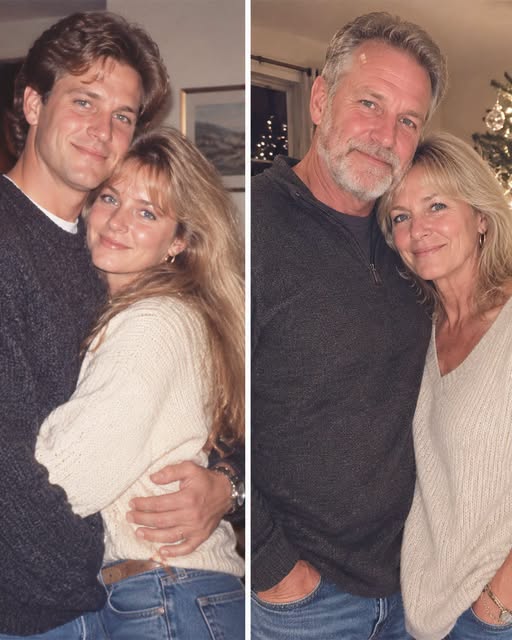
  • 50-Year-Old Man Allegedly Kills His Wife After see more

    50-Year-Old Man Allegedly Kills His Wife After Discovering Information About Her Past

    A Tragic Case That Raises Questions About Trust, Violence, and Mental Health

    A shocking incident involving a 50-year-old man accused of killing his wife after reportedly discovering information about her past has sent waves of grief and concern through the local community. The case, which is now under police investigation, has reignited public discussion about domestic violence, emotional conflict within marriages, and the dangerous consequences of unresolved anger and suspicion.

    Authorities say the accused man was taken into custody shortly after the incident, and investigators are working to determine the exact sequence of events that led to the woman’s death. While early reports suggest that the couple had been experiencing marital difficulties, officials have urged the public not to jump to conclusions until the investigation is complete.

    The tragedy has left neighbors, relatives, and social activists asking how a domestic dispute could escalate into such a devastating outcome.

    ⸻

    The Incident

    According to preliminary information released by police, officers received an emergency call from a residential neighborhood late in the evening. When they arrived at the scene, they found the woman critically injured inside the couple’s home. She was rushed to a nearby hospital, where doctors later declared her dead.

    The husband remained at the location and was detained by police for questioning. Investigators have not yet released the identities of the couple, pending notification of extended family members and further legal procedures.

    Initial inquiries suggest that an argument had taken place shortly before the incident. Police are examining whether the confrontation was spontaneous or whether there had been a pattern of previous disputes between the spouses.

    ⸻

    What Investigators Are Examining

    Law enforcement officials say they are investigating several aspects of the case, including:

    * The couple’s recent relationship history
    * Any previous complaints of domestic abuse
    * Messages, phone records, or other digital evidence
    * Statements from neighbors and relatives
    * The accused man’s mental and emotional state at the time of the incident

    Investigators are also awaiting forensic and postmortem reports, which will help establish the precise cause of death and whether any weapons were used.

    A senior police official stated that it would be inappropriate to speculate about the motive before all evidence has been examined.

    ⸻

    Reports of Marital Tension

    People living near the couple told reporters that they had occasionally heard arguments coming from the house, though none of them expected the situation to end in violence.

    One neighbor described the couple as “mostly private people” who had lived in the area for several years. Another resident said that the husband appeared increasingly withdrawn in recent months.

    Family acquaintances indicated that there may have been disagreements related to personal matters and trust within the marriage, but these claims have not yet been independently verified.

    Domestic violence experts warn that seemingly ordinary relationship conflicts can sometimes mask deeper patterns of control, resentment, or emotional instability.

    ⸻


    The Human Cost

    Beyond the criminal investigation, the case represents an enormous human tragedy. A woman has lost her life, a family has been shattered, and relatives on both sides must now cope with grief, shock, and public scrutiny.

    If the couple had children, they may face particularly severe emotional consequences. Psychologists note that exposure to violence between parents can have long-lasting effects on a child’s sense of safety, trust, and emotional well-being.

    Community leaders have called for sensitivity and restraint in discussing the case, emphasizing that sensational rumors can further traumatize surviving family members.

    ⸻

    Domestic Violence: A Wider Problem

    This incident is part of a broader and deeply concerning pattern of domestic violence seen in many countries around the world. Experts emphasize that intimate partner violence affects people across all age groups, income levels, and educational backgrounds.

    While the specific circumstances of this case are still being investigated, specialists stress that violence is never an acceptable response to emotional distress, betrayal, suspicion, or relationship conflict.

    Common warning signs identified by domestic violence organizations include:

    * Extreme jealousy or possessiveness
    * Attempts to control a partner’s movements or communications
    * Frequent verbal humiliation or threats
    * Isolation from friends or family
    * Sudden aggressive behavior during arguments
    * Destruction of property or intimidation tactics

    Recognizing these signs early and seeking help can sometimes prevent situations from escalating into serious harm.

    ⸻

    The Role of Emotional Regulation

    Relationship counselors say that intense emotional reactions can cloud judgment, particularly when individuals feel shocked, rejected, or humiliated. However, strong emotions do not remove personal responsibility for violent actions.

    Healthy responses to distress may include:

    * Taking time away from a heated argument
    * Speaking with a trusted friend or family member
    * Seeking professional counseling
    * Contacting a mental health professional during periods of severe emotional crisis
    * Using mediation or legal channels to address marital disputes

    Experts repeatedly emphasize that choosing violence often reflects an inability or unwillingness to manage conflict constructively.

    ⸻


    Community Reaction

    News of the alleged killing spread quickly through the neighborhood, drawing crowds outside the couple’s home. Many residents expressed disbelief that such an event could occur in what they considered a quiet area.

    Local women’s groups have used the incident to renew calls for stronger awareness programs addressing domestic abuse and conflict resolution within families. Some activists are urging authorities to expand access to counseling services for couples experiencing serious marital difficulties.

    Religious and community leaders have also appealed for compassion toward the victim’s relatives while allowing the legal process to proceed without interference.

    ⸻

    Legal Proceedings Ahead

    The accused man is expected to be produced before a magistrate, where prosecutors may seek judicial custody while the investigation continues. Depending on the evidence gathered, he could face charges related to murder or other serious offenses under applicable criminal law.

    Legal experts note that investigators will need to establish:

    1. Whether the death was intentional
    2. Whether there was premeditation
    3. Whether any mitigating or aggravating factors were present
    4. Whether prior acts of violence can be demonstrated

    If convicted of murder, the accused could face severe penalties, including long-term imprisonment or other punishments provided under the law.

    Defense attorneys, meanwhile, may argue issues related to provocation, mental state, or the reliability of the prosecution’s evidence. Ultimately, the court will determine the facts based on witness testimony, forensic findings, and other admissible evidence.

    ⸻

    The Danger of Rumors

    One troubling aspect of high-profile domestic cases is the rapid spread of unverified information, particularly on social media. Claims about a victim’s character, past relationships, or personal conduct often circulate long before investigators have confirmed any facts.

    Such speculation can:

    * Damage reputations unfairly
    * Influence potential witnesses
    * Complicate ongoing investigations
    * Cause additional suffering to grieving relatives

    Journalism ethics experts stress the importance of relying on confirmed information from official sources rather than repeating rumors or assumptions about the victim or the accused.

    ⸻

    Understanding Violence in Long-Term Marriages

    Cases involving couples who have been married for many years often surprise observers because they assume long-term relationships are inherently stable. Researchers who study family violence caution that this is not always true.

    Long-standing marriages may experience stress related to:

    * Financial pressures
    * Health problems
    * Retirement or employment changes
    * Family conflicts
    * Emotional distance between partners
    * Unresolved grievances accumulated over time

    Without effective communication and support systems, these pressures can contribute to escalating conflict.

    However, experts emphasize that millions of couples face similar challenges without resorting to violence, underscoring that homicide is a personal and criminal act, not an inevitable consequence of marital stress.

    ⸻

    Support Services Matter

    Advocates say tragedies like this highlight the need for accessible support services for both victims of domestic abuse and individuals struggling with severe emotional distress.

    Useful resources can include:

    * Domestic violence helplines
    * Emergency shelters
    * Marriage and family counseling
    * Mental health crisis services
    * Legal aid organizations
    * Community mediation programs

    Encouraging people to seek help early—before conflicts become dangerous—remains one of the most effective prevention strategies.

    ⸻

    A Family Left Searching for Answers

    Relatives of the deceased woman are reportedly struggling to understand how the situation deteriorated so dramatically. Friends described her as caring and devoted to her family, though they acknowledged that outsiders rarely know the full reality of a couple’s private life.

    The coming weeks are likely to be emotionally difficult as investigators reconstruct the final hours before the incident and family members prepare for funeral rites and legal proceedings.

    For many observers, the central question is not only what happened, but whether warning signs were missed and whether intervention might have prevented the loss of life.

    ⸻

    Conclusion

    The alleged killing of a woman by her 50-year-old husband after he reportedly discovered information about her past is a heartbreaking reminder of how unresolved emotional conflict can end in irreversible tragedy. While investigators continue to examine the facts, the case has already sparked important conversations about domestic violence, emotional regulation, mental health, and the need for stronger support systems within families and communities.

    Authorities have urged the public to avoid speculation and allow the judicial process to determine the truth. Regardless of the final legal outcome, one fact remains undeniable: a life has been lost, and multiple families now face the painful consequences of an event that should never have occurred.

    As the investigation proceeds, community leaders and experts hope the tragedy will serve as a catalyst for greater awareness about healthy conflict resolution, early intervention in abusive relationships, and the importance of seeking help before anger and suspicion escalate into violence.

    The case remains under active investigation, and further details are expected to emerge as police complete forensic examinations and present their findings before the court.

  • Handbrake? Nah, Let’s See Cardio! See more…

    Introduction

    Picture this: a woman wrestling with her runaway car, gravity pulling harder than her patience, while a man nearby decides his role in life is… spectator. No popcorn, no commentary, just pure indifference. If this were a movie, it’d be called Fast & the Not‑So‑Helpful.

    The Scene of the Comedy

    The car, forgetting its handbrake manners, starts rolling downhill like it’s auditioning for a stunt double gig. The woman, channeling her inner superhero, tries to stop it. Meanwhile, our “hero” of the story stands there like a traffic cone — visible, but not useful.

    The Bystander Effect, but Make It Funny

    Psychologists call it the bystander effect. I call it the “Nah, she’s got this” syndrome. It’s when people see trouble and assume someone else will step in. Except here, “someone else” was apparently the woman herself, plus gravity, minus common sense.

    Gender Dynamics on the Hill

    Traditionally, society expects men to jump in when cars misbehave. But this guy? He redefined masculinity as “master of observation.” Maybe he thought helping would ruin his cool image. Or maybe he was just calculating the physics of rolling cars in his head. Either way, the woman got cardio, and he got… content for TikTok.

    The Rolling Car as a Metaphor

    Life is like a car without a handbrake: if you don’t act fast, things roll downhill. And if you just stand there, you’re basically auditioning for the role of “background extra in someone else’s disaster.”

    Empathy in Action (or Inaction)

    Imagine if he had helped: one quick push, one heroic grip, and boom — instant legend. Instead, he chose the path of “legendary laziness.” The internet loves a good fail, but it loves a good save even more.

    Lessons Learned

    • Always check your handbrake.
    • Always check your humanity.
    • If you see someone struggling, don’t just be a spectator — unless you’re auditioning for a statue role.

    Conclusion

    The car rolled, the woman struggled, and the man stood still. The moral? Don’t be the handbrake that never engages. Be the person who steps in, even if it’s just to say, “Hey, maybe pull that lever.” Because sometimes, the funniest part of life is realizing the joke’s on us when we don’t act.

  • NEW – A serious complaint is made as the Craig story escalates…

    NEW – A serious complaint is made as the Craig story escalates…

    DC Craig Ingram (Matthew James Bailey) is suspended from his public policing position in EastEnders next week after he’s told a serious complaint has been made against him.

    The detective, who has taken the lead on the investigation into Joel Marshall’s (Max Murray) attack, has frequented the Square on numerous occasions over the past month in a bid to get answers.

    Joel was attacked with a hammer in July and left for dead. The attack came just moments after he’d been tied up by a bunch of local teens, who wanted to show he wasn’t welcome in Walford after what he’d done to Avani Nandra-Hart (Aaliyah James) and Vicki Fowler (Alice Haig).

    Craig has questioned all the kids involved in the attack and agreed to withhold the video – recorded by the teens of them pouring beer over a restrained Joel – from evidence.

    Though everyone involved in Joel’s humiliation assured the detective of their innocence, Ricky (Frankie Day) was worried that Craig would work out that the bike lock used to tie Joel up was his and thus Amy Mitchell (Ellie Dadd) decided to quiz the copper, hoping for clues.

    Use AI to go deeper into the stories you care about – powered by Metro and trusted publications.

    The conversation left her on somewhat edge and matters weren’t helped when Craig stumbled upon a clandestine meeting between all the teens, which led to him probing Amy for information.

    Craig speaks to Amy in Walford in EastEnders
    Amy drops a bombshell on Craig in upcoming scenes (Picture: BBC / Jack Barnes / Kieron McCarron)

    When spotted by Jack Branning (Scott Maslen), Craig claimed he was checking in on Amy’s welfare. Amy came to believe she could trust Craig and thus she told him about the bike lock being Ricky’s.

    Craig, meanwhile, gave out his personal mobile number to her. Later this week, Amy drops a bombshell on Craig, who offers her a shoulder to cry on.

    Next week, Amy frets privately. Craig, meanwhile, finds himself suspended from public policing after his superior confirms that a serious complaint has been made against him. As a result, he’s taken off the Joel case.


  • After 48 years of marriage, my husband declared he wanted a divorce and a life of freedom. When I, stunned, asked if he was serious, he simply smirked and said, “Come on, Nicky! You can’t say you didn’t see this coming. We both know there’s nothing left between us. I don’t want to waste my remaining years sulking around. I want to live, be free, and maybe even find someone. . . someone gorgeous, who isn’t like you—a dead goat. SO YES, I’M DIVORCING YOU. ” If that wasn’t enoug… See more

    After 48 years of marriage, my husband declared he wanted a divorce and a life of freedom. When I, stunned, asked if he was serious, he simply smirked and said, “Come on, Nicky! You can’t say you didn’t see this coming. We both know there’s nothing left between us. I don’t want to waste my remaining years sulking around. I want to live, be free, and maybe even find someone. . . someone gorgeous, who isn’t like you—a dead goat. SO YES, I’M DIVORCING YOU. ” If that wasn’t enoug… See more

    The moment he said it, everything in the room seemed to freeze. Forty-eight years of shared memories reduced to a few cold sentences, delivered with a smirk that stung more than the words themselves. He spoke about freedom, about starting over, about finding someone “better,” as if their entire life together had been nothing more than a phase he had outgrown. And when he walked out—funded by the very life they had built together—it didn’t just feel like betrayal. It felt like erasure.


    For a while, she sat in silence, replaying every detail. Deep down, she had known something was changing long before this moment. The late nights, the distance, the subtle shifts in his behavior—it had all been there. But she had chosen comfort over confrontation, hoping things would settle back into place. What she didn’t expect was how quickly everything would collapse once the truth was finally spoken out loud.


    That night, something inside her shifted. The sadness didn’t disappear, but it was replaced by something stronger—clarity. Instead of chasing him or breaking down, she made a decision. She would not beg, she would not follow, and she would not let the story end the way he imagined. Quietly, methodically, she began putting a plan into motion—one that didn’t rely on anger, but on understanding exactly what he had underestimated.


    Weeks passed, and while he was busy chasing his idea of freedom, reality began catching up to him in ways he hadn’t anticipated. The excitement faded, the illusion cracked, and the stability he once took for granted was suddenly gone. Meanwhile, back home, everything he thought would fall apart had instead transformed. She rebuilt her space, her routine, and most importantly, her sense of self—without him.


    And then, one evening, there was a knock at the door. Not confident this time. Not smug. Just quiet. When she opened it, he stood there, no longer the man who had walked away so easily. The tables had turned—not because of revenge, but because she chose not to break. Sometimes, the most powerful response isn’t chasing what leaves… it’s becoming someone who no longer needs it.

  • This young boy lost his child before birth. His partner died in a tragic crash. His best friend passed away too.… See more

    This young boy lost his child before birth. His partner died in a tragic crash. His best friend passed away too.… See more

    He lost almost everything before the world ever knew his name.

    Abandonment, failure, death, and grief stalked him from childhood into fame.

    Yet somehow, he refused to become cruel. This is not the glossy story Hollywood sells, but the quiet, aching journey of a man who kept his soul while the world tried to break it ap… Continues…


    Born into chaos and raised in motion, Keanu Reeves learned early that nothing was permanent: not home, not family, not safety.

    Dyslexia made classrooms feel like battlegrounds, and constant moves erased any chance at roots.

    Acting was less a dream than a lifeline, something that made sense when little else did. The path was brutal—odd jobs, rejections,

    and the dull ache of always being “almost enough” before the world finally noticed him.

    Fame magnified his losses instead of numbing them. River Phoenix’s death, the stillbirth of his daughter, and the sudden loss of Jennifer


    Syme carved wounds that never truly closed. Yet he chose gentleness over rage, anonymity over spectacle,

    generosity over ego. He rides the subway, listens more than he speaks, and gives quietly. His story endures not because he survived tragedy,

    but because he refused to let tragedy define how he treated others.

  • A 67-year-old nurse scrolling Facebook before Christmas froze at a worn old photo on her timeline — herself and her first love, Daniel, in college. Beneath it was his p… See more

    A 67-year-old nurse scrolling Facebook before Christmas froze at a worn old photo on her timeline — herself and her first love, Daniel, in college. Beneath it was his p… See more

    A 67-year-old nurse scrolling Facebook before Christmas froze at a worn old photo on her timeline — herself and her first love, Daniel, in college. Beneath it was his plea: he’d searched for her for decades and needed to return something he’d held onto for 45 years. 😨

    My name is Susan, and I’m sixty-seven years old. I’m a nurse who still picks up extra shifts at the hospital whenever I possibly can.

    The extra work helps me give my daughter a little financial support. She’s got two young kids to raise on her own. Those grandbabies mean every single thing to me.

    My husband and I split up many years back. After that, I never really pursued any romantic connections again. Life had finally become quiet, peaceful, and routine.

    Christmas was coming up fast when I got home from my final shift before the holidays. I felt completely drained from my long week.

    I warmed up some leftovers, brewed myself a cup of hot tea, and pulled up Facebook on my phone just to unwind a little.

    A few quiet minutes into my scrolling, I went completely still in my chair.

    There was a deeply familiar old photo that multiple people had shared, which must have been how it ended up on my timeline that night.

    An aged, worn picture showing two young people pressed together, both grinning sheepishly at the camera.

    I knew that location. I knew the young guy in the image. And I knew myself in it. This had been from my college days, decades and decades ago.


    The wedding was the easy part. A ceremony is just words and confetti. The marriage—especially a marriage between two people who have lived nearly seventy years of separate lives—is a negotiation of space, silence, and habits.

    D aniel moved into my house two weeks after the courthouse ceremony. We spent a weekend packing up his apartment. It is a strange thing to watch a man dismantle his life to fit it into yours.

    Ezoic
    “I have a lot of books,” Daniel warned me, standing amidst a sea of cardboard boxes labeled ‘History’ and ‘Photography.’

    I didn’t have enough shelves.

    The first month was a comedy of errors. Daniel, having lived alone for decades, was used to a silence so profound you could hear a pin drop. I, having raised a daughter and now helping with two grandsons, was used to a level of background noise that rivaled O’Hare Airport.

    He liked the thermostat at sixty-eight degrees; I liked it at seventy-two. He drank tea in the afternoon; I drank coffee. He organized his cutlery drawer with military precision; I threw things in there and hoped for the best.

    One Tuesday evening, about a month in, I found him standing in the living room, staring at my collection of ceramic roosters on the mantelpiece.

    “Is something wrong?” I asked, coming in with the laundry basket.

    I don’t hate them,” he lied, kissing my forehead. “I just feel… watched.”

    We compromised. The roosters moved to the guest room. His collection of vintage cameras took their place.


    But beneath the domestic shuffling, there was a deeper excavation happening. We were learning the shapes of the people we had become in the silence of the last forty years.

    T he Excavation of the Storage Unit
    The real challenge came in November. Daniel had a storage unit on the other side of town—a ten-by-ten metal box where he had stored the overflow of his life during his years as a caregiver.

    We need to clear it out,” he said one morning over oatmeal. “I’m paying a hundred dollars a month to store dust.”

    We drove over on a Saturday. The roll-up door rattled as we lifted it, revealing a wall of boxes that smelled of damp cardboard and old memories.

    “This is the lost decade,” Daniel said quietly, running his hand over a stack of crates. “My twenties. My thirties. It’s all in here.”

    We spent the afternoon sorting. ‘Keep.’ ‘Donate.’ ‘Trash.’

    It was going well until we hit a plastic bin at the back. It was taped shut with layers of duct tape, as if to ensure whatever was inside could never escape.

    Daniel froze. He looked at the bin, then at me. His face went pale, a ghost of the look he’d had in the hospital.

    “That,” he said, his voice tight, “is the Letters Box.”


    My heart hammered. “You said you wrote me a dozen letters.”

    “I lied,” he whispered. “I wrote you hundreds.”

    We took the bin home. We didn’t open it immediately. It sat on the coffee table for two days, a monolith of unresolved history. Finally, on a rainy Tuesday night, after Megan had picked up the boys and the house was quiet, Daniel poured us both a glass of wine.

    “I think,” he said, looking at the bin, “I think we need to let the ghosts out.”

    He cut the tape.

    Inside were stacks of envelopes. Some were white and crisp; others were yellowed with age. Some were addressed to my old dorm room. Others had no address at all. They were organized chronologically, bundled with rubber bands that had long since snapped.

    Dear Susan, I am writing this from a motel in Phoenix. Dad had another seizure today. I wiped his face and told him it was okay, but I wanted to scream. I wanted to call you. I walked to the payphone three times. I even dialed the area code. But what would I say? ‘Hey, I’m in hell, come visit?’ I can’t drag you down here. You’re going to be a great nurse. You’re going to save people. I can’t even save him.

    I looked up, tears blurring my vision. “Daniel…”


    “Keep reading,” he said, staring into his wine glass.

    I picked up a bundle from 1985.

    Susan, I saw a woman today who walked just like you. That fast, purposeful stride, like you’re late for something important. I followed her for two blocks before she turned around. It wasn’t you. I felt like I’d lost you all over again. Mom is getting worse. She forgets who I am half the time. She calls me by Dad’s name. I feel like I’m disappearing. I wonder if you’re married. I wonder if you’re happy. I hope he makes you laugh.

    I bought the ring today. I know it’s insane. You’re probably a grandmother by now. But I saw it in a pawn shop window in Oregon, and it looked like something you’d wear. Simple. Golden. I keep it in my pocket. It makes me feel less alone.

    We sat there until 3:00 AM, reading forty years of grief, love, and loneliness. It was like watching a man drown in slow motion.

    When I finished the last one—dated just two weeks before he posted the photo on Facebook—I felt heavy, but also incredibly light.

    “You were never really gone,” I whispered. “You were talking to me the whole time.”

    “I never stopped,” he said. “You were the only person I could tell the truth to, even if you never heard it.”


    We took the letters and put them in the fireplace. It wasn’t an act of destruction; it was a release. We watched the smoke curl up the chimney, carrying the weight of the “lost years” out into the night air. We didn’t need the paper anymore. We were here.

    The Brother Who Got Away
    The holidays brought a new challenge. Daniel’s brother, Mark.

    I knew the basics: Mark was four years younger. Daniel had essentially raised him after their father got sick, shielding him from the worst of the caretaking duties so Mark could have a “normal” life. Mark had gone to law school, moved to Chicago, and become a very successful, very busy corporate attorney.

    They spoke on holidays. They were polite. But there was a distance there—a chasm filled with guilt on one side and resentment on the other.

    “He’s coming for Christmas,” Daniel announced in early December, looking terrified. “He wants to meet you.”

    “That’s wonderful,” I said, though Daniel’s anxiety was contagious.


    Mark arrived two days before Christmas in a rented BMW, wearing a coat that cost more than my first car. He was sharper than Daniel, louder, with a frenetic energy that filled the room.

    The first dinner was tense. Mark drank expensive scotch he’d brought with him and told stories about his cases. Daniel nodded and smiled, shrinking into his chair. I watched the dynamic play out—the older brother who had sacrificed everything, and the younger brother who had taken that sacrifice and run with it, never looking back.

    The explosion happened on Christmas Eve

  • I went to pick up my wife and our twins from the maternity ward — she was gone, and only a note remained. I was overwhelmed with joy as I drove to the hospital to bring… See more

    I went to pick up my wife and our twins from the maternity ward — she was gone, and only a note remained.
    I was overwhelmed with joy as I drove to the hospital to bring Lina and our twin daughters home.
    For days, I had been preparing for their return: the babies’ room was ready, a celebratory meal was already simmering, and I had even picked up some balloons on the way.
    But the moment I arrived, everything fell apart.
    Lina was gone.
    Only our two little girls were peacefully sleeping, and beside them… a letter.
    With trembling hands, I opened the note.
    “Goodbye. Take good care of them. Ask your mother what she did to me.”
    I stood there speechless, unable to comprehend.
    Still in shock, I turned to the nurse:
    “My wife… where is she?”
    She hesitated before answering:
    “She left this morning. She said you were aware.”
    But I knew nothing.
    I brought the twins home, my heart heavy and my mind racing with questions.
    Throughout the pregnancy, Lina had seemed happy… or so I thought.
    When I arrived home, my mother was waiting, beaming, a casserole in hand.
    “Let me see my granddaughters!”
    I froze, staring at her.
    “Not now, Mom. What did you do to Lina?”

    I Went to Bring My Wife and Our Twins Home From the Hospital—But She Was Gone and Left Only a Note

    What Should Have Been the Happiest Day of Marc’s Life Became the Beginning of a Painful Family Mystery

    Marc had imagined the drive home from the hospital many times before the twins were born.

    He pictured Lina sitting beside him while their newborn daughters slept in the back seat. He imagined carrying the babies through the front door, introducing them properly to the home they had prepared together, and beginning the exhausting but joyful first days of family life.

    Everything was ready.

    The nursery had been arranged carefully. A celebratory meal was waiting at home. Marc even stopped to buy balloons before driving to the maternity ward.

    He arrived expecting to find his partner and their daughters waiting for him.

    Instead, only the babies were there.

    Lina Had Left Without Saying Goodbye


    Discover more
    Pets & Animals
    Marriage
    Vintage kitchen tools


    Marc entered the hospital room and immediately sensed something was wrong.

    The twins were sleeping peacefully.

    Lina was nowhere to be seen.

    Beside the babies was a letter.

    Marc picked it up with shaking hands and opened it.

    “Goodbye. Take good care of them. Ask your mother what she did to me.”

    He read the message again, hoping somehow that he had misunderstood it.

    He had not.


    The woman he expected to bring home had disappeared, leaving their newborn daughters behind and directing him toward the last person Marc expected to be involved: his own mother.

    The Hospital Staff Thought Marc Already Knew

    Still struggling to understand what had happened, Marc turned to one of the nurses.

    “My wife… where is she?”

    The nurse hesitated.

    “She left this morning. She said you were aware.”

    Marc was stunned.


    Discover more
    Wildlife photography prints
    Celebrities & Entertainment News
    Time & Calendars


    He had not known anything.

    There had been no argument that morning, no warning call, and no message explaining that Lina planned to leave.

    During the pregnancy, Marc had believed she was happy.

    Looking back, he would eventually question how much of that happiness had been real and how much pain Lina had been hiding.

    Marc Left the Hospital With Two Babies and No Answers


    There was no choice but to take care of the twins.

    Marc gathered their things and carried his daughters out of the maternity ward alone.

    The balloons he had purchased now felt painfully out of place.

    Instead of celebrating, he drove home with two newborns and the note repeatedly echoing in his mind.

    Ask your mother what she did to me.

    When Marc reached the house, his mother was already waiting.

    Élise stood there smiling and carrying food, eager to meet her granddaughters.

    “Let me see my granddaughters!”


    Discover more
    Astronomy
    Pet care products
    Edgy & Bizarre


    Marc did not move.

    He looked directly at her.

    “Not now, Mom. What did you do to Lina?”

    Élise Had Never Truly Accepted Lina

    The tension between Lina and Élise had existed long before the twins were born.

    Marc had noticed disagreements and uncomfortable moments, but he had never understood how serious the conflict had become.

    Élise believed Lina was too fragile.


    She questioned whether Lina was capable of handling motherhood.

    She also believed her son deserved someone stronger and more suitable.

    Marc had previously dismissed many of those comments as the kind of criticism that sometimes develops between a mother and her son’s partner.

    After Lina disappeared, those memories began to look very different.

    Then Marc Found a Letter Hidden in a Drawer

    As Marc searched for answers, he discovered something that changed his understanding of the situation completely.


    Discover more
    Home decor items
    Animal rescue guide
    Acting career advice


    Inside a drawer was a letter written by Élise to Lina.

    The message was not casual criticism.

    It directly urged Lina to leave.

    Élise warned her that she was not emotionally strong enough to care for the twins and suggested that remaining with the babies could place them at risk.

    For a woman who had just given birth and was already struggling emotionally, the words had been devastating.

    Marc finally understood why Lina’s final note had pointed him toward his mother.

    Lina Had Been More Vulnerable Than Marc Realized


    Marc began reconsidering the weeks surrounding the birth.

    He remembered moments when Lina seemed unusually quiet.

    He remembered exhaustion that he had assumed was simply part of pregnancy.

    He remembered tears that disappeared as quickly as they appeared.

    At the time, none of those moments seemed to signal that Lina was approaching a crisis.

    But after the twins were born, her emotional state deteriorated dramatically.

    She became convinced that she was not capable of being the mother her daughters needed.

    Élise’s words reinforced the fears already growing inside her.


    Discover more
    Bear safety tips
    Magazine subscriptions
    News subscription service


    Marc’s Life Became a Cycle of Feeding, Diapers and Searching

    The weeks after Lina disappeared were physically and emotionally exhausting.

    Marc had two newborn daughters who depended on him for everything.

    There were bottles to prepare, diapers to change, clothes to wash, and long nights with almost no uninterrupted sleep.

    At the same time, he continued searching for Lina.

    He contacted people who might have heard from her.


    He asked questions.

    He checked every lead that seemed remotely possible.

    Nothing brought her home.

    The Silence Was Almost Worse Than an Explanation

    Marc could have understood anger.

    He could have responded to a message saying Lina needed time.

    What he struggled with was complete silence.


    Discover more
    Wildlife
    Biological Sciences
    Inspirational life stories


    He did not know where she was sleeping.

    He did not know whether she was safe.

    He did not know whether she regretted leaving or had decided never to return.

    Most painfully, he did not know how he would someday explain the disappearance to their daughters.

    An Anonymous Message Finally Proved Lina Was Alive

    Months passed before Marc received the first real sign that Lina was safe.

    An anonymous message appeared on his phone.

    Attached was a photograph.

    It showed Lina at the hospital with the twins.

    The image had been taken before she disappeared.

    Alongside it were a few words expressing regret.

    For Marc, the message created conflicting emotions.

    Relief came first.

    Lina was alive.

    Then came frustration.

    If she could send a message, why would she not tell him where she was?

    The Twins’ First Birthday Passed Without Their Mother

    Marc continued raising the girls alone.

    Every milestone carried both happiness and absence.

    The first smiles came.

    The first attempts to crawl followed.

    There were sleepless nights, illnesses, new sounds, and countless photographs.

    Eventually, the twins reached their first birthday.

    Lina was still gone.

    Marc had learned how to function without expecting her to walk through the door.

    Then, on a winter evening, someone knocked.

    Lina Was Standing Outside

    Marc opened the door and barely recognized her.

    Lina looked thinner and more fragile than he remembered.

    But she was standing there.

    For months, Marc had imagined what he would say if she returned.

    He had imagined anger.

    He had imagined demanding answers.

    He had imagined refusing to let her inside.

    When the moment actually arrived, none of those rehearsed reactions felt simple anymore.

    Lina Finally Explained Why She Had Left

    She told Marc that after giving birth, she had fallen into a severe emotional crisis.

    She described postpartum depression and an overwhelming belief that she was failing almost immediately as a mother.

    Her thoughts became increasingly distorted by fear.

    Instead of seeing herself as someone who needed help, Lina became convinced that she was the danger.

    Élise’s criticism arrived at the worst possible time.

    The words did not create all of Lina’s fears, but they strengthened them.

    She began believing that leaving the twins was the most loving thing she could do.

    She Did Not Believe She Deserved Her Own Children

    Lina told Marc that she had not left because she stopped loving him or the babies.

    She left because she believed they would be safer without her.

    Her reasoning had been shaped by fear rather than reality.

    She felt inadequate.

    She felt ashamed that motherhood did not immediately feel the way she thought it was supposed to feel.

    And instead of asking for help, she disappeared.

    For Marc, understanding the reason did not erase the consequences.

    Marc Had Also Been Hurt

    During Lina’s absence, Marc had carried responsibilities that were meant to be shared.

    He had worried about her every day while trying to remain emotionally available for two babies.

    He had experienced anger, confusion and loneliness.

    Her return did not make those feelings disappear.

    Marc listened without pretending that everything was immediately forgiven.

    But he also understood that Lina had been deeply unwell.

    That distinction mattered.

    He Reached Out His Hand

    Marc did not demand that Lina immediately resume her old place in the family.

    He did not tell her that one apology could repair a year of absence.

    Instead, he offered the possibility of beginning again.

    Slowly.

    With boundaries.

    With professional help.

    And without pretending the past had never happened.

    Lina accepted.


    Therapy Became Part of the Rebuilding Process

    Lina began therapy.

    She had to confront both the postpartum depression and the guilt created by leaving her daughters.

    Recovery was not immediate.

    There were good days and difficult ones.

    Marc also needed time.

    Trust does not automatically return because someone explains why they broke it.

    He had to learn when he could rely on Lina again and when his own fear of another disappearance was influencing him.

    They Had to Learn How to Be Parents Together

    By the time Lina returned, Marc had developed his own routines with the twins.

    He knew how they liked to be held.

    He knew which sounds meant hunger and which meant exhaustion.

    He knew their bedtime habits.

    Lina had missed much of that first year.

    She had to learn the girls as they were now rather than trying to recreate the newborn period she had lost.

    The process was painful, but it was also necessary.

    They Also Had to Rebuild Their Relationship as a Couple

    Parenting was only one part of the problem.

    Marc and Lina had once imagined returning from the hospital and beginning family life together.

    Instead, their relationship had been interrupted at its most vulnerable moment.

    There was anger to discuss.

    There was guilt.

    There were questions about why Lina had not trusted Marc enough to tell him what she was experiencing.

    There were also questions about why Marc had not recognized the conflict between Lina and Élise earlier.

    Élise’s Role Could Not Be Ignored

    Marc’s relationship with his mother changed dramatically after he discovered the letter.

    Whatever Élise believed she was doing, her words had influenced a vulnerable woman at a dangerous emotional moment.

    Marc could not simply dismiss that as family tension.

    His mother had inserted herself into decisions that belonged to Marc and Lina.

    She had judged Lina’s ability to parent without understanding the full extent of what she was experiencing.

    The consequences affected the entire family.

    The Children Became the Center of Their New Beginning

    As time passed, Lina became increasingly involved in the twins’ lives.

    The girls did not understand the history surrounding their first year.

    To them, Lina was simply the mother who was now present.

    Their laughter created moments of relief inside a family still carrying difficult memories.

    Each ordinary day became part of rebuilding.

    A shared meal.

    A bedtime routine.

    A walk outside.

    A small child reaching for both parents at once.


    Recovery Did Not Mean Pretending Nothing Happened

    Marc and Lina never tried to transform their story into a perfect reunion.

    The scars remained.

    Lina had to live with the knowledge that she had missed much of her daughters’ first year.

    Marc had to accept that the woman he loved had left him with no warning during one of the most demanding periods of their lives.

    Both had to acknowledge how severely untreated emotional distress can distort a person’s judgment.

    Moving forward required facing those realities rather than hiding them.


    The Note Took on a Different Meaning With Time

    For months, Marc had viewed Lina’s hospital note as an act of abandonment.

    Eventually, he understood it as something more complicated.

    The message had been written by someone whose thinking was overwhelmed by fear.

    “Goodbye. Take good care of them. Ask your mother what she did to me.”

    Those words had sent Marc searching for an explanation.

    They had exposed Élise’s interference.

    And eventually, they helped Marc understand that Lina’s disappearance had not begun on the morning she left the hospital.

    It had been developing quietly for much longer.


    A Family Slowly Found Its Way Back Together

    Their reconciliation did not happen in one dramatic conversation.

    It happened through months of smaller decisions.

    Lina attended therapy.

    Marc learned to speak about his anger instead of hiding it.

    They established routines for the twins.

    They learned when to give each other space and when silence was becoming dangerous.

    Eventually, they began functioning as a family again.

    Their Story Was Never About a Perfect Ending

    What happened to Marc and Lina was painful.

    A joyous birth was followed almost immediately by separation.

    Two newborn children spent their first year without their mother.

    A grandmother’s interference intensified an already fragile emotional situation.

    A husband was forced to raise twins while searching for the woman he loved.

    None of those experiences disappeared simply because Lina came home.

    But returning gave them something they had not possessed before.

    A chance to deal with the truth together.


    Sometimes Coming Back Is Only the Beginning

    Lina’s knock on the door was not the ending of the story.

    It was the beginning of the most difficult part.

    She had to stay.

    Marc had to decide whether he could trust her again.

    The twins had to build a relationship with a mother who had been absent from their earliest memories.

    And the entire family had to confront the damage caused by fear, secrecy and words spoken when someone was at her most vulnerable.

    They moved forward slowly.

    Not perfectly.

    But together.


    The Future Finally Belonged to Them Again

    Marc never forgot the morning he walked into the maternity ward carrying balloons and expecting to bring his family home.

    He never forgot finding the twins asleep beside the note.

    He never forgot the words directing him toward his own mother.

    But those memories eventually became only part of a much larger story.

    Lina returned.

    She sought help.

    Marc gave himself permission to be hurt without allowing anger to decide everything that came afterward.

    Together, they began rebuilding a relationship that had nearly disappeared before it truly had the chance to become a family.

    The scars did not vanish.

    They simply stopped being the only thing that defined them.

    And every time their children laughed between them, Marc and Lina were reminded that healing was not about returning to the life they had before.

    It was about choosing, day after day, to build a different.

  • !! The Singer Who Defined an Era Has Passed Away… See more

    !! The Singer Who Defined an Era Has Passed Away… See more

    For millions of music fans, Chuck Negron was more than a talented singer. His unmistakable voice became part of the soundtrack of an era, helping define the sound of classic rock and pop during a time when radio brought people together. As one of the lead vocalists of Three Dog Night, Negron helped transform memorable songs into lasting favorites that continue to reach new generations of listeners.


    Born in New York City, Negron discovered music at an early age. Singing offered him a sense of purpose and direction, eventually leading him toward a career that few could have imagined. When Three Dog Night rose to fame in the late 1960s and early 1970s, the band quickly became one of the most successful groups of its time. Their impressive catalog of hit songs included unforgettable classics such as “Joy to the World,” “One,” and “Easy to Be Hard.” These recordings earned widespread acclaim and became staples on radio stations across the United States and beyond.


    While the band’s commercial success was remarkable, Negron’s personal journey proved to be just as significant. Like many performers facing the pressures of fame, he struggled with substance abuse during the height of his career. Rather than allowing those challenges to define him forever, he made the difficult decision to seek recovery and rebuild his life. His willingness to speak openly about addiction and healing inspired many people who were facing similar obstacles.


    In the years that followed, Negron devoted much of his time to sharing his experiences. Through live performances, interviews, and his memoir, he encouraged audiences to believe that change is always possible. His story became one of resilience rather than regret, reminding others that setbacks do not have to determine the future. Fans appreciated not only his honesty but also his desire to help others find hope during difficult times.

    Chuck Negron’s musical legacy remains firmly connected to the remarkable success of Three Dog Night. The group’s songs continue to appear in films, television programs, streaming playlists, and live performances, introducing their music to listeners who were not even born when the recordings first became popular. His distinctive vocals remain instantly recognizable, demonstrating the lasting impact of a truly unique performer.


    Beyond the awards and chart achievements, many admirers remember Negron for his authenticity. He never pretended that life had been easy, choosing instead to embrace both his accomplishments and his struggles. That honesty helped create a deeper bond with audiences who respected his openness and perseverance.


    Although the music world has lost one of its memorable voices, Chuck Negron’s influence continues through every song he recorded and every life he encouraged with his personal story. His career serves as a reminder that great music can outlast generations, while courage, redemption, and compassion often become the most meaningful parts of a person’s legacy. His voice may have fallen silent, but the melodies and message he leaves behind will continue to resonate for years to come.


  • With heavy hearts, we announce the passing of this beloved actress at 65 Check the comments

    With heavy hearts, we announce the passing of this beloved actress at 65 Check the comments

    Jennifer Runyon became a familiar face to audiences during the 1980s, appearing in popular films and television series that helped define an era of entertainment. With memorable roles in Ghostbusters, Charles in Charge, and a variety of television  movies, she seemed destined for a long career in the Hollywood spotlight. While many expected her to continue pursuing bigger roles, Runyon made a personal decision that surprised many fans.

    Rather than dedicating her life entirely to the demands of the entertainment industry, she chose to focus on her  family. She stepped away from the fast-paced world of  acting to build a quieter life centered on marriage, motherhood, and the moments that mattered most to her. Although she occasionally accepted acting opportunities, she did so only when they fit the priorities she had established for herself.


    At a time when many performers felt pressure to remain constantly visible, Runyon demonstrated that success can look different for every individual. Hollywood has often placed unrealistic expectations on actresses, especially regarding age and career longevity. Instead of allowing those expectations to shape her future, she followed a path that reflected her own values. Her decision showed that fulfillment does not always come from awards, headlines, or leading roles—it can also come from creating a meaningful life away from the public eye.


    Over the years, fans have continued to remember Runyon for the warmth and charm she brought to the screen. Her performances remain part of classic films and television shows that are still enjoyed by new generations. While she may no longer appear regularly in major productions, her work continues to be appreciated by those who remember her contributions to entertainment.


    Stories about celebrities often focus on dramatic career changes or speculate about what might have been. Jennifer Runyon’s journey offers a different perspective. Rather than viewing her decision as stepping away from success, many see it as redefining what success meant for her personally. She proved that it is possible to leave the spotlight without leaving behind a meaningful legacy.

    TV Shows & Programs


    Despite misleading social media posts that occasionally circulate online, there is no credible information confirming claims that Jennifer Runyon has passed away. Such rumors are unfortunately common and often spread quickly without verification. Readers should always rely on trustworthy news sources before believing or sharing reports about public figures.


    Jennifer Runyon’s legacy is not defined solely by the characters she portrayed but also by the life she chose to build beyond the camera. Her story serves as a reminder that every career is unique and that personal happiness does not always follow the path others expect. Whether remembered for her performances or admired for prioritizing her family, she remains an example of someone who made decisions based on her own values. In an industry where fame often becomes the ultimate goal, Jennifer Runyon demonstrated that a life filled with purpose, balance, and loved ones can be the greatest achievement of all.


  • This mother k!lled her daughter for not wanting to take… See more

    This mother k!lled her daughter for not wanting to take… See more

    The little girl smiled in photos, her hair neatly tied, her eyes bright and trusting. To neighbors, she was just another child growing up in a crowded neighborhood. To her mother, she became something else entirely that day — an obstacle, a problem, a moment of anger that would spiral into irreversible tragedy.

    According to police, the incident began inside their home during an ordinary moment that turned tense. The mother reportedly tried to force her young daughter to drink a substance the child resisted. Witnesses later said the girl cried and refused, pushing the cup away. What should have ended with patience or walking away instead escalated into violence that no one expected to see directed at a child so small.

    Investigators say the mother lost control. In a fit of rage, she attacked the girl, causing injuries so severe that the child collapsed. By the time emergency services were called, it was already too late. The little girl was pronounced dead shortly after, leaving responders visibly shaken by the scene they encountered.

    When police arrived, the mother did not flee. Officers restrained her as neighbors watched in disbelief. Video and photos from the arrest show her being taken into custody, her clothes stained, her face empty. Authorities later confirmed she confessed to harming her daughter during questioning, stating the refusal triggered her anger.

    The case has sparked outrage across social media and renewed debates about child protection, parental stress, and warning signs that go unnoticed until it’s too late. Community members gathered near the home, lighting candles and leaving toys, struggling to understand how a simple refusal could end in such final cruelty.

    Now, a mother sits behind bars awaiting trial, and a child who trusted the person meant to protect her is gone forever. One moment of unchecked anger destroyed two lives — one taken, the other condemned — and left an entire community asking how this could ever happen.