Category: Uncategorized

  • She’s spoken out on exactly what made it first click to her…

    She’s spoken out on exactly what made it first click to her…


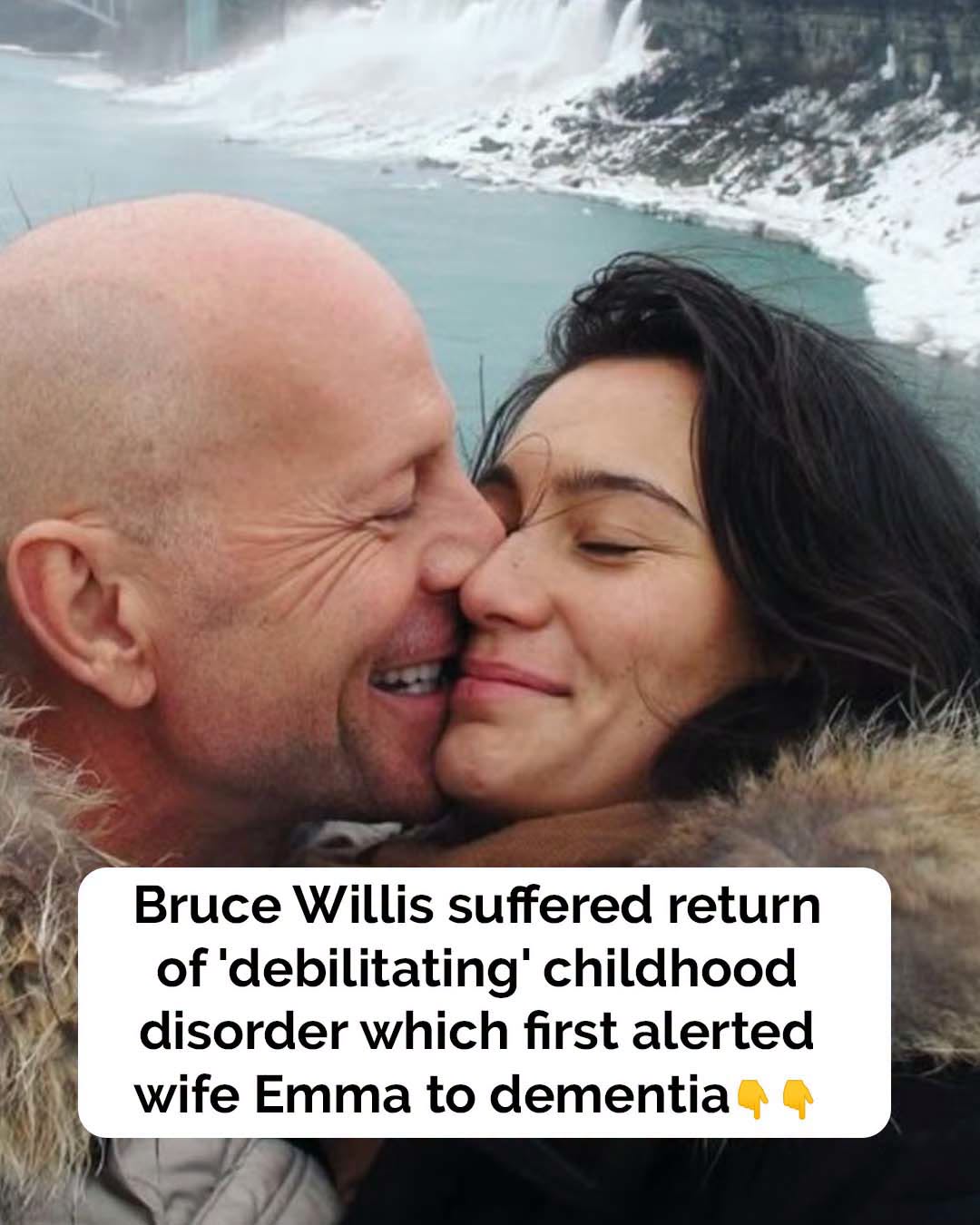
    Emma Heming Willis says she still wrestles with guilt as she looks back on the return of a “debilitating” childhood condition Bruce Willis had spent years keeping under control – never imagining it could be linked to dementia.

    Since Bruce Willis’ family revealed he was diagnosed with frontotemporal dementia (FTD) in 2023, his wife Emma has become one of the condition’s most vocal advocates, sharing not only the realities of his illness but also the emotional toll it has taken on their family.

    Speaking on Today’s Making Space with Hoda Kotb just one day before the 27th anniversary of The Sixth Sense, Emma admitted that even celebrating her milestone 50th birthday wasn’t easy.

    “I have not really been in the celebratory feelings of late,” she told the host on Aug. 5. “I was unsure if I really wanted to do anything. But I had a friend of mine who kept sort of pushing and saying, ‘You know what? You don’t wanna miss out on your 50th. You have to celebrate in some form or fashion.’”

    ‘What would my husband want for me?’

    After taking time to think about it, Emma realized she didn’t want to look back with regrets.

    “I really sat with that, and I thought about it. And I thought, ‘You know what? I don’t wanna look back and think, why didn’t I celebrate 50?’ It is something to celebrate.”

    She ultimately celebrated the occasion with family and close friends but admitted the emotions surrounding Bruce Willis’ illness never completely fade.

    “I always wrestle with it, you know?” she said. “I think guilt is something that I am always carrying, but I’ve learned that it is really not helpful. What I know is I always go back to what would my husband want for me?”

    It’s not Alzheimer’s

    Emma has also spent much of her time trying to educate people about FTD, explaining that it doesn’t always look the way many expect.

    During an appearance on The Bossticks podcast in June, she addressed one of the biggest misconceptions she regularly encounters when people ask about her husband.

    “When people say, ‘Oh, you know, does he remember who you are?’ Well, he does because he doesn’t have Alzheimer’s; he has FTD,” she said. “I think that’s a very common misconception that, when you think of dementia, we think of memory loss.”

    Instead, Emma explained that one of the earliest changes she noticed had nothing to do with Bruce forgetting names or faces.

    It was something far more familiar.

    A childhood struggle returned

    According to People, his dementia symptoms “started with language.”

    “For Bruce, it started in his temporal lobes and then has spread to the frontal part of his brain. It attacks and destroys a person’s ability to walk, think, make decisions,” Emma explained.

    “As his language started changing, it [seemed like it] was just a part of a stutter, it was just Bruce,” she said in 2024. “Never in a million years would I think it would be a form of dementia for someone so young.”

    While Emma first spoke about Bruce’s lifelong stutter the year after his diagnosis, she has now shared new details about how it resurfaced as his condition progressed.

    ‘Debilitating’ stutter

    During her conversation with Kotb on Aug. 5, Emma revisited those early changes and revealed that the speech difficulties were tied to a severe stutter Bruce had struggled with as a child.

    “I started noticing a stutter that he had had, a severe stutter, that was quite debilitating for him as a young child,” she said.

    “It started to come back. It’s not that his stutter wasn’t there throughout his life. He just sort learned to manage it. But then I started noticing that he was not managing it anymore,” the former model shared.

    She added, “It was very odd for someone who is such an incredible communicator to all of a sudden not be one. And never in my wildest dreams did I think that was an early symptom of the diagnosis he received years later.”

    Emma Heming Willis has turned one of the most difficult chapters of her life into a mission to help others. Before sharing this story, please let us know what you think of her strength and dedication in the comments below.

     

  • She made the dog eat her pu… See more

    What began as a typical Saturday afternoon at a busy shopping center in northern Mexico City soon became the focus of widespread attention after an unexpected disturbance inside a department store.

    Surveillance equipment sales


    Families, shoppers, and employees were going about their day when unusual activity in one area of the store prompted concern among visitors nearby.

    According to reports from witnesses, several customer noticed loud noises and disruptive behavior coming from a fitting-room section.


    Store employees were alerted and responded to assess the situation.


    Their priority was to ensure that all guests could continue shopping comfortably and that the environment remained safe and respectful for everyone present.

    As staff addressed the matter, curiosity among shoppers quickly grew.


    People gathered nearby to see what was happening, and some individuals began recording videos on their mobile phones.

    The increasing attention created additional challenges for employees, who worked to prevent crowding and keep pathways clear. security  personnel were eventually called to assist with crowd management and help restore normal operations inside the store.

    The situation became more complicated when family members connected to those involved arrived at the scene after learning about the incident.

    Witnesses described a tense atmosphere as emotions ran high and conversations became more heated. Security staff continued monitoring the area while encouraging everyone to remain calm and cooperate with store policies designed to maintain order.


    Local authorities were later contacted to document the event and determine whether any public conduct regulations had been violated.

    While the disturbance was eventually resolved, the incident quickly attracted attention online after videos and discussions began circulating across social media platforms.


    The event sparked conversations about appropriate behavior in public places, personal responsibility, and the impact of smartphones, where everyday incidents can rapidly gain widespread visibility.

    It also highlighted the challenges businesses face when managing unexpected disruptions while protecting the comfort, privacy and safety of customers and employees alike.

  • !! The World Says Goodbye To The Actor Behind One of TV’s Most Iconic Characters… See more….

    !! The World Says Goodbye To The Actor Behind One of TV’s Most Iconic Characters… See more….

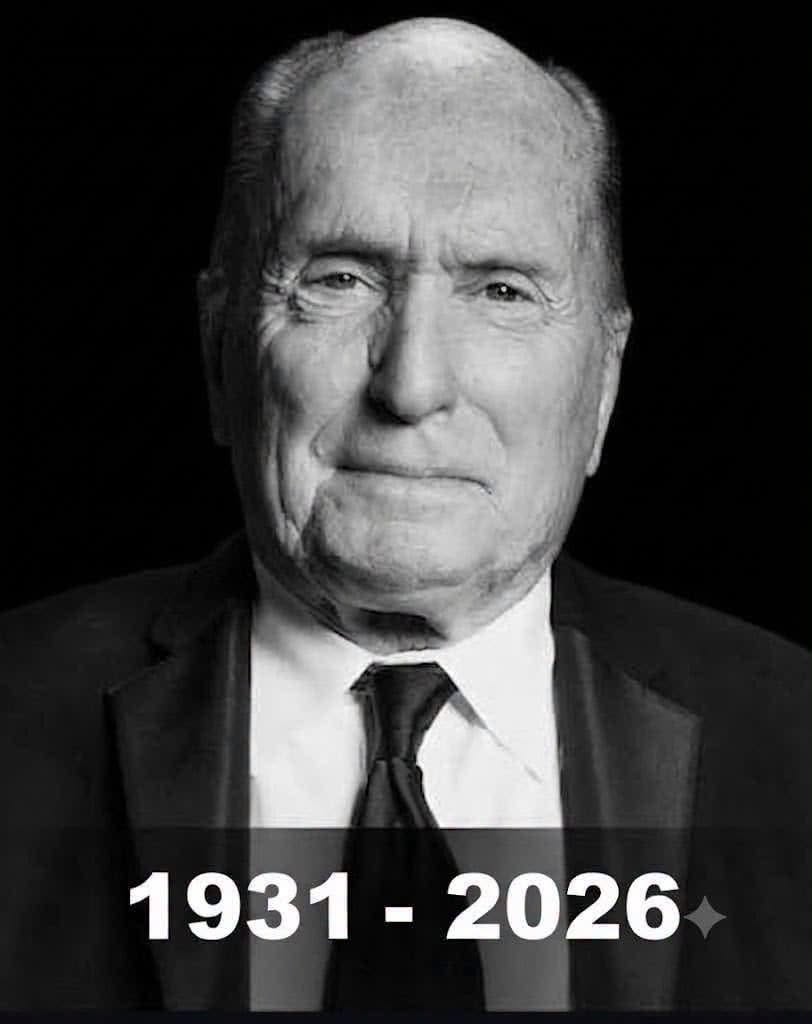
    Robert Duvall has long been regarded as one of the greatest actors in the history of American cinema. Across a career spanning more than six decades, he earned widespread respect for portraying complex, believable characters with remarkable depth and authenticity. His performances in films such as The Godfather, Apocalypse Now, and Tender Mercies helped shape generations of filmmakers and actors while leaving an enduring mark on the entertainment industry.

    Known for his calm screen presence and understated style, Duvall never relied on flashy performances to capture an audience’s attention. Instead, he built each role through subtle expressions, carefully measured dialogue, and emotional honesty. Whether playing a determined military officer, a conflicted family member, or a humble country singer, he brought a level of realism that made every character memorable.

    Family

    One of his most celebrated achievements came with Tender Mercies, a performance that earned him the Academy Award for Best Actor. The film showcased his ability to communicate profound emotion through quiet moments rather than dramatic speeches. Critics and audiences alike praised his natural approach, recognizing him as an actor who understood that sometimes the smallest gestures could carry the greatest emotional impact.


    Duvall also became a familiar face in many acclaimed productions throughout his career. From powerful dramas to westerns and crime stories, he consistently demonstrated remarkable versatility. Directors appreciated his professionalism, while fellow actors often described him as a generous collaborator who elevated every scene he appeared in. His commitment to authenticity influenced countless performers who admired his disciplined approach to the craft.


    Beyond awards and recognition, Robert Duvall’s legacy is defined by the timeless quality of his work. His films continue to be watched by new audiences around the world, introducing younger generations to performances that remain just as compelling today as when they first appeared on screen. Film students frequently study his acting techniques, while movie enthusiasts return to his classic roles for their emotional depth and lasting impact.


    His influence extends beyond individual performances. Duvall helped demonstrate that great acting does not always require grand displays of emotion. Instead, honesty, patience, and careful observation can create unforgettable characters that resonate with audiences for decades. That philosophy has inspired many modern actors seeking to deliver authentic performances rather than simply entertain.


    The history of American cinema would be impossible to tell without acknowledging Robert Duvall’s remarkable contributions. His body of work represents dedication, consistency, and artistic excellence, serving as a benchmark for quality acting across multiple generations. Each performance reflects a deep understanding of human nature, allowing viewers to connect with characters whose struggles, hopes, and triumphs feel genuinely real.


    Whether revisiting a beloved classic or discovering one of his films for the first time, audiences continue to experience the extraordinary talent that defined Robert Duvall’s career. His performances remain a lasting reminder that great storytelling depends not only on memorable scripts but also on actors who bring honesty and humanity to every role. Through his unforgettable work, Robert Duvall’s influence on cinema will continue to endure for generations to come.


  • The World Says Goodbye To The Actor Behind One of TV’s Most Iconic Characters… See more.

    The World Says Goodbye To The Actor Behind One of TV’s Most Iconic Characters… See more.

    Eric Dane built a career that earned him recognition as one of television’s most memorable performers. Best known for portraying Dr. Mark “McSteamy” Sloan on Grey’s Anatomy, he captivated audiences with his screen presence, talent, and ability to bring depth to every character he played. While many fans first discovered him through the hit medical drama, his work extended far beyond a single role, leaving a lasting impact across multiple successful television series.


    Born in California, Dane steadily worked his way through the entertainment industry with determination and dedication. Early television appearances helped him gain experience before larger opportunities followed. His breakthrough role on Grey’s Anatomy introduced him to audiences around the world and established him as one of the show’s most recognizable cast members. His performance combined confidence, humor, and emotional range, making the character a favorite among viewers.


    Rather than remaining associated with one success, Dane continued exploring new opportunities throughout his career. He later starred in The Last Ship, taking on a dramatically different role that showcased his versatility as an actor. Years later, he reached another generation of viewers through Euphoria, where his nuanced performance demonstrated his continued ability to take on complex and engaging characters.


    Away from the screen, Dane also spoke openly about personal challenges, including his diagnosis with amyotrophic lateral sclerosis (ALS), which he publicly shared in 2025. His willingness to discuss his experience encouraged greater public awareness of the condition and highlighted the importance of empathy, understanding, and ongoing medical research. Many people appreciated his honesty and the positive example he set by approaching difficult circumstances with dignity.


    Throughout his career, colleagues frequently described Dane as dedicated, professional, and committed to his craft. Directors, fellow actors, and production teams recognized his preparation and collaborative approach, qualities that contributed to the success of the projects in which he appeared. Fans likewise appreciated not only his performances but also the authenticity he brought to every role.


    His body of work continues to introduce new audiences to memorable stories and characters. Whether appearing in long-running television dramas or more recent productions, Dane consistently demonstrated the ability to connect with viewers through believable performances and thoughtful storytelling. His career reflects years of hard work, persistence, and artistic growth.


    Beyond entertainment, Dane’s openness about personal experiences inspired conversations about resilience, health awareness, and supporting those facing difficult circumstances. By sharing his journey publicly, he helped encourage understanding while reminding audiences of the importance of compassion and community.

    Eric Dane’s contributions to television remain an important part of his legacy. His performances continue to be enjoyed by viewers around the world, and his dedication to his profession serves as an example of perseverance and professionalism. Through memorable roles, meaningful storytelling, and a commitment to authenticity, he leaves behind a body of work that continues to resonate with audiences and highlights the lasting impact of a respected actor’s career.

    hit counter script

  • Two traffic police officers stopped a young woman for no reason, pinned her against her car, and roughly handcuffed her. But when one of the officers reached into her p… See more

    Two traffic police officers stopped a young woman for no reason, pinned her against her car, and roughly handcuffed her. But when one of the officers reached into her p… See more

    Two traffic police officers stopped a young woman for no reason, pinned her against her car, and roughly handcuffed her. But when one of the officers reached into her pocket at her request, both men froze in shock when they saw what was inside.
    That day, a young woman named Victoria was driving home along a country road. She was driving calmly, staying within the speed limit, and paying close attention to the road signs. The weather was nice, and there were only a few cars on the highway, so she wasn’t expecting any trouble.
    After a while, a patrol car appeared in her rearview mirror. The officers switched on their flashing lights and motioned for Victoria to pull over to the side of the road.


    She immediately complied, turned off the engine, and rolled down her window. A tall, broad-shouldered officer with a stern face approached the car. The second officer remained a few steps behind, carefully watching her through the open window.
    “License and registration,” the first officer said coldly.
    Victoria handed him her driver’s license and the vehicle documents.
    The officer examined them for a long time, inspected the car, and then looked back at the young woman. He found no violations, yet made no effort to return her documents.
    “Why did you stop me?” Victoria asked calmly.
    “Routine check,” he replied shortly.
    “What kind of check? I haven’t broken any laws, and you haven’t even identified yourselves.”
    The officer frowned. He clearly didn’t like that the young woman spoke confidently and wasn’t afraid to ask questions.
    “So, you think you’re pretty smart?” the second officer sneered as he stepped closer. “Sit still while we’re still being nice to you.”
    Victoria looked from one officer to the other.


    “I’m speaking calmly. You’re the ones behaving rudely and stopping people without explaining why. Please identify yourselves and tell me the legal reason for this stop.”
    The first officer angrily threw her documents onto the roof of the car.
    “Get out of the vehicle.”
    “On what grounds?”
    “I said, get out.”
    Victoria realized the men were deliberately trying to intimidate her. She pulled out her phone to start recording, but the second officer suddenly yanked open the door and grabbed her by the arm.
    “Put that phone away now.”
    “Don’t touch me,” Victoria said firmly. “You’re abusing your authority.”
    Those words finally pushed the officers over the edge. The first officer roughly pulled her out of the car, turned her toward the vehicle, and slammed her against the door. The second quickly forced her hands behind her back and pulled out a pair of handcuffs.
    “You’ll spend some time at the station, and maybe then you’ll learn some manners,” he said as he locked the metal cuffs around her wrists.
    Victoria didn’t scream or resist. She simply looked seriously over her shoulder at the officers.
    “Are you sure you want to continue?”
    “You trying to scare us?” the first officer laughed.
    “No. I’m just warning you that you’ve detained me without cause, used force, and failed to complete any paperwork.”


    “We’ll deal with that later,” he replied. “Right now, you’re coming with us.”
    Victoria remained silent for a few seconds before calmly saying,
    “Fine. But first, take something out of the right pocket of my shorts. With my hands behind my back, I can’t do it myself.”
    The officers exchanged glances. One of them smirked, convinced she was trying to trick them.
    “What’s in there?”
    “Take it out and see for yourselves.”
    The first officer carefully slipped his hand into the pocket of her shorts and pulled out something that left both men completely stunned.

    What started as a routine drive on a quiet afternoon turned into an experience that would leave a lasting impression on a young woman traveling alone. The roads were calm, traffic was light, and the weather was pleasant. Nothing about the journey suggested that it would become a story highlighting the value of professionalism, accountability, and respectful communication between members of the public and law enforcement.


    Victoria had been driving home while carefully following traffic laws. She maintained the posted speed limit, used her signals appropriately, and remained attentive to the road. After several miles, flashing emergency lights appeared in her rearview mirror. Believing she had done nothing wrong, she safely pulled onto the shoulder, turned off her engine, lowered her window, and waited patiently for the officers to approach.


    One of the officers greeted her and requested her driver’s license, vehicle registration, and proof of insurance. Victoria calmly provided each document without hesitation. She expected the stop to be brief and assumed the officer would explain the reason she had been pulled over after reviewing her information.


    As the officer examined the documents and walked around the vehicle, Victoria remained seated with her hands visible. After waiting several moments, she politely asked why she had been stopped. The response she received was fairly general, indicating that the officers were conducting what they described as a routine check. Although she remained respectful, Victoria hoped for a more specific explanation regarding the reason for the stop.


    Believing that clear communication benefits everyone involved, she calmly requested the officers’ names and badge numbers. She also asked whether there was a particular traffic violation or concern that had prompted the stop. Rather than easing the conversation, the interaction became increasingly formal. The officers instructed her to remain quiet while they completed their inspection, explaining that they would answer questions once their investigation was finished.


    Victoria remained cooperative throughout the encounter. She followed instructions carefully and avoided raising her voice or arguing. When officers later asked her to step out of the vehicle, she complied without resistance. Because she believed it was important to keep a personal record of the interaction, she reached for her phone. The movement prompted additional caution from the officers, who temporarily placed her in handcuffs while they continued assessing the situation.


    Although the experience was understandably stressful, Victoria continued to remain calm. She understood that maintaining composure would help prevent further misunderstandings. Since her hands were restrained, she politely asked one of the officers to retrieve a small item from her pocket. She explained that she could not access it herself and requested that they remove it carefully.


    The officer located a small leather credential holder and opened it, expecting to find standard identification. Instead, the holder contained official credentials showing that Victoria worked as an investigator responsible for reviewing complaints involving law enforcement conduct and public accountability. The discovery immediately changed the atmosphere surrounding the stop.


    Victoria later explained that she had intentionally chosen not to mention her professional role when the stop began. Her goal was not to receive special treatment or influence the officers’ decisions. Instead, she wanted the encounter to proceed naturally so she could observe whether standard procedures were followed in the same manner they would be for any other member of the public.


    Once the officers recognized her professional position, they removed the handcuffs and continued speaking with her respectfully. They discussed the events that had taken place and attempted to clarify the decisions made during the stop. By that point, however, much of the encounter had already been documented.


    Victoria’s vehicle was equipped with a dashboard camera that continuously recorded both video and audio while she was driving. In addition, portions of the interaction had also been preserved on her mobile device. These recordings created an objective record of the encounter, allowing investigators to later review the events in the order they occurred rather than relying solely on individual recollections.


    Supervisors were notified and arrived at the scene to gather information from everyone involved. After reviewing the available recordings and speaking with both the officers and Victoria, they determined that a formal internal review was appropriate. The existence of clear video evidence helped ensure that the investigation focused on observable facts rather than assumptions or conflicting memories.


    During the review process, officials evaluated whether departmental procedures had been followed consistently throughout the traffic stop. After examining the evidence, they concluded that several established policies had not been fully observed. Appropriate administrative action was taken in accordance with agency guidelines, and the findings were used to reinforce expectations regarding professional conduct, communication, and adherence to department procedures.


    The incident also demonstrated the growing importance of technology in promoting transparency. Dashboard cameras, body cameras, and other recording systems have become valuable tools for documenting interactions between the public and law enforcement. These recordings can help resolve questions fairly, protect the rights of everyone involved, and provide accurate information whenever an incident requires further review.


    It is important to recognize that the vast majority of traffic stops conclude respectfully and without incident. Most interactions between officers and drivers are professional, cooperative, and focused on maintaining public safety. Situations like Victoria’s are notable because they highlight the importance of consistent communication and careful adherence to established policies, regardless of who is involved.


    The experience ultimately became less about a single traffic stop and more about the broader principles of accountability, fairness, and public trust. Respectful communication, proper training, and objective review processes help strengthen confidence in public institutions. When concerns are addressed transparently and procedures are applied consistently, communities and public servants alike benefit from a system built on professionalism, integrity, and mutual respect.


  • At Almost 103, He is the Oldest Living Star Details In First Comment

    At Almost 103, He is the Oldest Living Star Details In First Comment

    Across the entertainment world, several long-lived performers continue to inspire audiences with their commitment to creativity and the arts. Their lives highlight how talent and passion can thrive across decades, influencing new generations while preserving the spirit of earlier eras.


    Even today, their stories remind people that artistic expression has no age limit and that dedication can leave a lasting impact.

    Many of these figures shaped music, film, and television during the 20th century and still resonate with fans around the world. Some helped preserve cultural traditions, others contributed to classic films that defined Hollywood’s golden age, and many brought energy to live performances that audiences still remember fondly.


    Their work offers a rare glimpse into the history of entertainment and the evolution of popular culture.

    Other well-known icons remain active through appearances, special projects, and public engagements. Their continued enthusiasm, humor, and wisdom show how creativity can deepen with time.

    These individuals have become symbols of perseverance, positivity, and lifelong artistic spirit, offering encouragement to young performers and longtime admirers alike.


    One of the most admired figures among them is Ray Anthony, celebrated for a career that bridges generations and musical styles.


    At nearly 103, he continues to be recognized for his contributions, his longevity, and the inspiration he brings to fans who appreciate a lifetime dedicated to the arts.


  • It is with heavy hearts that we announce the passing of this beloved and legendary actress… – Check the comments

    It is with heavy hearts that we announce the passing of this beloved and legendary actress… – Check the comments

    Actress Jamie Lee Curtis has shared a heartfelt tribute following the passing of her older sister, Kelly Curtis, at the age of 69. In a public message, Jamie reflected on their lifelong relationship and the many memories they shared as sisters. She described Kelly as a trusted friend whose presence remained important throughout every stage of life.

    Kelly Curtis was born into a well-known Hollywood as the daughter of actors Tony Curtis and Janet Leigh. While many people recognized her family connections, Kelly built her own path in the entertainment industry through  production work, and creative projects. Over the years, she contributed to both film and television productions.


    Among her acting credits were appearances in several popular productions, including Trading Places, where she worked alongside Jamie. She also appeared in television programs and later expanded her involvement behind the scenes. Her career reflected a broad interest in storytelling and creative collaboration.


    In her tribute, Jamie spoke openly about the sisters’ journey together. Like many siblings, they experienced challenges and differences while growing up. However, she shared that their relationship grew stronger over time, allowing them to reconnect and remain close throughout adulthood.

    family members and friends have remembered Kelly for qualities that extended far beyond her professional accomplishments. Those who knew her described her as kind, thoughtful, and devoted to the people she loved. Her appreciation for nature and meaningful personal connections was frequently mentioned by those paying tribute.
    Family


    Jamie’s message focused on gratitude for the years they shared and the memories that remain. She recalled Kelly’s support, encouragement, and steady presence during important moments in both family life and professional endeavors. The tribute resonated with many readers who understood the value of lifelong family bonds.


    As loved ones continue honoring Kelly Curtis’s memory, the stories being shared paint a picture of a life filled with warmth, creativity, and meaningful relationships. While her contributions to entertainment are remembered, many tributes emphasize the lasting impact she had on friends, relatives, and everyone fortunate enough to know her personally.


  • Her Baby Arrived at 35,000 Feet! �

    Introduction

    When a baby is born mid‑flight, the event is not only medically remarkable but also legally complex. At cruising altitude, an aircraft is a floating jurisdiction — governed by international treaties, national laws, and airline policies. This article explores the legal dimensions of such an event, focusing on citizenship, jurisdiction, medical liability, and airline obligations.

    Jurisdiction in the Sky

    • Flag state principle: International law generally recognizes that an aircraft is subject to the laws of the country in which it is registered.
    • Airspace sovereignty: If the plane is flying over another country, that nation’s laws may also apply.
    • Practical enforcement: In emergencies, the captain has broad authority under aviation law to make decisions for safety, including diverting the flight.

    Citizenship Questions

    • Place of birth: Citizenship laws vary. Some countries grant nationality based on jus soli (right of soil), while others use jus sanguinis (right of blood).
    • Example: A baby born on a U.S.‑registered aircraft over international waters may be considered born in the United States.
    • Complications: If the aircraft is foreign‑registered but flying over U.S. airspace, both jurisdictions could claim relevance.

    Medical Obligations

    • Crew responsibilities: Flight attendants are trained in emergency medical response but are not licensed medical professionals.
    • Passenger assistance: Airlines often rely on volunteer doctors or nurses onboard.
    • Legal duty of care: Airlines must provide reasonable assistance, including medical kits and defibrillators, under international aviation standards.

    Liability Issues

    • Airline liability: If the airline fails to provide adequate medical support, it could face negligence claims.
    • Medical volunteer liability: Doctors assisting in emergencies are usually protected by Good Samaritan laws, though coverage varies by jurisdiction.
    • Insurance considerations: Airlines carry liability insurance that may cover such incidents.

    Documentation and Registration

    • Birth certificate: The captain or crew may record the birth, but official registration requires civil authorities once the plane lands.
    • Legal recognition: Parents must register the birth in the jurisdiction where the aircraft lands, which may affect nationality claims.

    Broader Implications

    • Human rights: Ensuring safe childbirth is part of the broader obligation to protect passenger welfare.
    • International treaties: Agreements like the Chicago Convention shape how states handle cross‑border aviation incidents.
    • Future policy: Airlines may need clearer guidelines on handling childbirth, including diversion protocols and medical staffing.

    Conclusion

    A baby born at 35,000 feet is not just a miracle of life — it is a legal puzzle. Jurisdiction, citizenship, liability, and documentation all intersect in ways that challenge traditional legal frameworks. As air travel continues to expand, such rare events highlight the need for robust international cooperation and clear airline policies.

  • A nurse in Australia used his jiu-jitsu skills to take down an intoxicated patient who turned and attacked him after being asked to leave the hospital for being abusive to staff.

    An Australian nurse, Daniel Nelson, used his decade-long jiu-jitsu training to restrain an intoxicated patient who attacked him at Brisbane’s Royal Brisbane and Women’s Hospital in October 2024. The incident, captured on CCTV and shared online in July 2026, has gone viral, sparking debate about workplace violence against healthcare workers.

    The Incident

    • Location: Royal Brisbane and Women’s Hospital, Brisbane, Australia.
    • Date: October 2024 (video shared July 2026).
    • Details:
      • Patient was intoxicated, verbally abusive, and spitting on the floor.
      • Nurse Daniel Nelson volunteered to escort him out.
      • Patient suddenly turned, threw an object, and launched punches.
      • Nelson used Brazilian jiu-jitsu techniques to take the man down and restrain him until security arrived.

    Nurse Daniel Nelson

    • Background: Registered nurse, also trained with the Australian Army.
    • Martial Arts Training: Over 10 years of Brazilian jiu-jitsu, described as an “obsession.”
    • Response: Nelson emphasized he restrained the patient without escalating violence, using controlled grappling rather than striking.
    • Reflection: He noted the outcome could have been very different if the patient had attacked a smaller or less experienced nurse.

    Broader Context: Violence in Healthcare

    • Queensland Statistics: In 2025, over 16,000 violent incidents were recorded against healthcare workers in Queensland hospitals—about 45 assaults per day.
    • Survey Findings: 69% of Queensland Health staff reported being assaulted or witnessing assaults; 70% felt hospitals lacked adequate security.
    • Global Issue: WHO reports high rates of verbal, physical, and sexual abuse against healthcare workers worldwide.

    Public Reaction

    • Viral Impact: The video has been viewed over 1.5 million times since July 2026.
    • Support: Many praised Nelson’s quick thinking and skill.
    • Debate: The incident reignited calls for stronger protections, better hospital security, and recognition that violence is not “part of the job.”

    Key Takeaways

    • Self-defense training can be lifesaving for healthcare workers, but it should not be relied upon as the primary safeguard.
    • Hospitals need stronger security measures and policies to protect staff from intoxicated or aggressive patients.
    • Workplace violence in healthcare is systemic, not isolated, and requires urgent attention from policymakers and hospital administrations.
  • This man saves a deer badly trapped in a fence! 🦌🤎

    A Hero Among Us: The Man Who Saved a Deer 🦌🤎

    Introduction

    Acts of compassion often go unnoticed, yet they carry immense power to inspire. One such story is of a man who saved a deer trapped in a fence — a moment of courage, empathy, and humanity that reminds us of our responsibility toward nature. This article explores the incident in detail, the challenges faced, the symbolism behind such rescues, and the broader implications for wildlife conservation.

    The Incident

    The deer, a young buck, had become entangled in a wire fence while attempting to cross farmland. Its antlers and legs were caught tightly, leaving it exhausted and vulnerable. Struggling to free itself only worsened the situation, causing cuts and abrasions.

    The man, a passerby, noticed the distressed animal. Instead of ignoring the scene, he approached cautiously, aware that frightened wildlife can be unpredictable. With patience and determination, he worked to untangle the deer, carefully maneuvering around sharp wires and the animal’s frantic movements.

    The Rescue

    • Courageous intervention: Despite the risk of injury, the man persisted.
    • Gentle approach: He calmed the deer with soft tones and slow movements.
    • Persistence: After several minutes of effort, he managed to free the antlers and legs.
    • Release: The deer bolted into the forest, pausing briefly as if to acknowledge its rescuer before disappearing.

    Symbolism of the Rescue

    This act is more than just saving an animal. It symbolizes:

    • Human empathy: A reminder that compassion transcends species.
    • Respect for nature: Highlighting our duty to protect wildlife.
    • Hope and inspiration: Such stories encourage others to act kindly.

    Challenges in Wildlife Rescues

    Rescuing wild animals is not easy. Risks include:

    • Animal aggression: Fear can make animals defensive.
    • Physical danger: Sharp antlers, hooves, or fences can injure rescuers.
    • Legal considerations: In some regions, handling wildlife requires permits.

    Broader Implications

    This rescue highlights the importance of:

    • Wildlife-friendly fencing: Designing barriers that don’t trap animals.
    • Community awareness: Educating people about coexistence with nature.
    • Conservation ethics: Recognizing that every life matters.

    Conclusion

    The man’s bravery and compassion turned a moment of despair into one of hope. His actions remind us that small gestures can have profound impacts — not only saving a life but also inspiring countless others to act with kindness.

    Such stories are powerful because they show that humanity’s greatest strength lies not in dominance over nature, but in our ability to protect and nurture it.