Author: preetweb1122

  • I was adopted at 18… and now, at 65, I’m finally finding the courage to tell my story. Some truths take a lifetime to find the words for

    I was adopted at 18… and now, at 65, I’m finally finding the courage to tell my story. Some truths take a lifetime to find the words for

    65 years old, and this is the first time I’m sharing something I’ve carried silently for most of my life. Being adopted wasn’t just a chapter in my story—it became a part of who I am. Writing these words is harder than I ever imagined, but sometimes the stories we’re most afraid to tell are the ones that deserve to be heard the most.


    The Secret I Carried for 47 Years: At 65, I Finally Found the Courage to Tell My Story

    There are some stories that are easy to tell.

    You can tell them over coffee, at a family gathering, or casually to someone you have just met. You can laugh about them, explain them, and move on.

    And then there are the stories that live quietly inside you for decades.

    Stories that you carry through childhood, adulthood, relationships, celebrations, difficult days, and ordinary mornings. Stories that become so deeply buried that sometimes you wonder whether you will ever have the courage to bring them into the light.

    For me, that story is about being adopted.

    I was adopted when I was 18 years old.

    Today, I am 65.


    And this is the first time I have found the courage to share it publicly.

    Even writing that sentence feels overwhelming.

    For most people, the word adoption may immediately bring certain thoughts to mind. They may think about children finding loving homes, parents choosing to raise a child, or families being created in unexpected ways.

    But adoption is not just one story.

    Every adopted person carries a different experience.

    Some people know their biological parents. Some don’t. Some grow up knowing they were adopted. Others discover it later in life. Some feel completely comfortable talking about it, while others spend years trying to understand what it means for their identity.

    And sometimes, a person can spend an entire lifetime trying to find the right words.

    That is where I am today.

    At 65, I am still learning how to talk about a part of myself that I kept hidden for so long.

    Why did I wait so long?

    People may wonder why I didn’t talk about it earlier.

    Why wait until 65?

    The truth is, there isn’t one simple answer.

    When you carry something personal for many years, silence can start to feel normal. You learn how to live around the subject. You learn what questions to avoid. You learn which memories to put away.

    Eventually, you become very good at pretending that something doesn’t hurt.

    But pretending doesn’t mean forgetting.

    There were probably countless moments throughout my life when I wanted to talk about it.

    Maybe I wondered where I came from.

    Maybe I wondered who I looked like.

    Maybe I wondered why I was given up.

    Maybe I wondered whether someone, somewhere, had ever thought about me.

    Those questions can be incredibly difficult.

    And sometimes the hardest part isn’t knowing the answers.

    It’s living with the questions.

    For years, I kept those questions to myself.

    I built a life.

    I grew older.


    I experienced happiness, sadness, love, disappointment, success and loss.

    Life kept moving.

    But somewhere inside me, there was still that younger version of myself trying to understand what adoption meant.

    Being adopted can create complicated emotions

    One of the biggest misconceptions about adoption is that you must either be grateful or hurt.

    But human emotions don’t work that way.

    You can be grateful and still have questions.

    You can love the people who raised you and still wonder about the people who gave you life.

    You can feel lucky and still feel a sense of loss.

    You can appreciate your family and still wonder about the family you never knew.

    Two feelings can exist at the same time.

    That is something I have learned over the years.

    Adoption isn’t necessarily about choosing one side.

    It can be about accepting every emotion that comes with your story.


    There may be love.

    There may be gratitude.

    There may be confusion.

    There may be sadness.

    There may be curiosity.

    There may even be anger.

    And none of those feelings make you ungrateful.

    They simply make you human.

    The questions that never completely disappear

    When you are adopted, there can be questions that stay with you for a lifetime.

    Who did I inherit my eyes from?

    Where did my personality come from?

    Did my biological parents ever think about me?

    Did they want to keep me?

    Did they have a choice?

    Do I have brothers or sisters?

    Does anyone out there look like me?

    What would my life have been like if things had been different?

    These questions aren’t always about wanting to replace the life you have.

    Sometimes, they are simply about wanting to understand yourself.

    We all have a desire to know where we came from.

    Our history becomes part of our identity.

    And when pieces of that history are missing, it can sometimes feel like there is a small blank space inside the story of your life.

    For decades, I lived with that blank space.

    I learned to accept it.

    Or at least, I thought I had.

    Why sharing this now?

    Maybe because 65 changes your perspective.

    When you’re younger, you often think you have unlimited time.

    You tell yourself you’ll talk about certain things later.

    You’ll ask those questions later.

    You’ll find those answers later.

    You’ll tell your story later.

    Then suddenly, years have passed.

    At 65, you begin to understand that later isn’t guaranteed.

    There are things we shouldn’t keep locked inside forever.

    There are stories that deserve to breathe.

    There are truths that become lighter when spoken aloud.

    So today, I am taking a small step.


    I’m saying something I’ve struggled to say for most of my life:

    I was adopted.

    And saying it doesn’t erase anything.

    It doesn’t change the life I’ve lived.

    It doesn’t change the people who have been part of my journey.

    It doesn’t rewrite my past.

    But it does give me permission to finally acknowledge it.

    It took courage to write these words

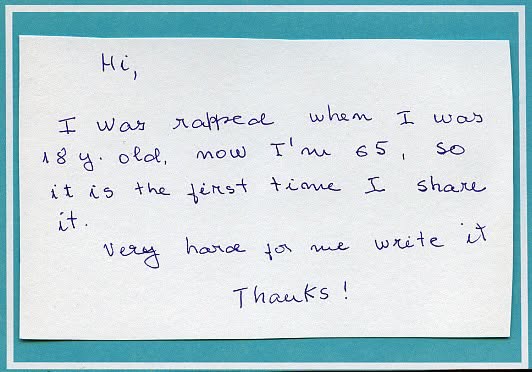
    The note may look simple.

    A few handwritten lines.

    A few sentences.

    But behind those sentences is an entire lifetime.

    That is what people sometimes forget when they read someone’s words.

    They see the final sentence, but they don’t see all the years that came before it.

    They don’t see the nights someone wondered about their past.

    They don’t see the moments they stayed quiet.

    They don’t see the courage it took to finally pick up a pen.

    Sometimes, a short message can contain decades of emotion.

    And perhaps that is why this story matters.

    Not because adoption is rare.

    Not because being 65 makes the story unusual.

    But because there are so many people carrying stories they have never felt brave enough to share.

    To anyone who has been carrying a secret

    If you are reading this and you have something you’ve carried quietly for years, I want you to know something:

    You don’t have to tell your story before you’re ready.

    There is no deadline for healing.

    There is no correct age to speak.

    There is no perfect way to explain something deeply personal.

    And you don’t owe your story to anyone.

    But if one day you feel ready, your voice matters.

    Your experience matters.

    Your feelings matter.

    Whether you tell one person, write it in a diary, share it with your family, or speak about it publicly, the choice is yours.

    Sometimes healing doesn’t begin with finding every answer.

    Sometimes it begins with finally admitting that the question has always mattered to you.

    A lifetime is a long time to carry something alone

    At 65, I realize how much time has passed.

    Forty-seven years have gone by since I became an adult.

    There have been countless birthdays.

    Holidays.

    Family gatherings.

    Goodbyes.

    New beginnings.

    People who came into my life and people who left it.

    Through all of it, this part of my story remained.

    Quiet.

    Private.

    Unspoken.

    Until now.

    Maybe I am not sharing this because I suddenly have all the answers.

    Maybe I’m sharing it because I finally understand that I don’t need all the answers to tell the truth.

    The truth is simple.

    I was adopted.

    It is part of my story.

    It is part of my identity.

    And after keeping it inside for so long, I am finally allowing myself to speak about it.

    There is strength in vulnerability

    We often think strength means being tough.

    Never crying.

    Never admitting that something hurts.

    Never showing uncertainty.

    But I have come to believe that real strength can look completely different.

    Sometimes strength is saying, “This is difficult for me.”

    Sometimes strength is admitting, “I don’t know all the answers.”

    Sometimes strength is opening a door you’ve kept closed for decades.

    And sometimes strength is simply writing a few words with shaking hands and pressing share.

    At 65, perhaps this is my moment to be vulnerable.

    Not because I am weak.

    But because I have spent enough years being silent.

    My story doesn’t need to be perfect

    I don’t know what people will think when they read this.

    Some may understand.

    Some may have questions.

    Some may relate to it because they have lived something similar.

    Others may never fully understand what it feels like.

    And that’s okay.

    I am not sharing this story because I expect everyone to understand.

    I’m sharing it because it belongs to me.

    For so long, I thought perhaps certain parts of our lives should remain hidden.

    Now I wonder if sometimes the things we hide are the very things that can connect us to other people.

    Maybe someone reading this is also adopted.

    Maybe someone is 20.

    Maybe someone is 40.

    Maybe someone is 65.

    Maybe they have never told anyone.

    If my words make even one person feel a little less alone, then perhaps sharing them was worth it.

    A new chapter at 65

    People often talk about 65 as though it is the end of something.

    But maybe it can also be the beginning.

    A beginning of honesty.

    A beginning of acceptance.

    A beginning of asking questions.

    A beginning of telling stories.

    A beginning of finally allowing yourself to be heard.

    There is something beautiful about realizing that it is never too late to tell your truth.

    Your age doesn’t make your feelings less important.

    Your past doesn’t become irrelevant simply because time has passed.

    And the things you experienced decades ago can still matter today.

    At 65, I am not going back and changing my life.

    I am simply looking at it with new eyes.

    And perhaps that’s enough.

    The words I couldn’t say before

    So here I am.

    Writing the words that once felt impossible.

    I was adopted.

    I have carried this part of my story for years.

    There were times when it was difficult.

    There were questions I couldn’t answer.

    There were feelings I couldn’t explain.

    And there were moments when silence seemed easier than honesty.

    But today, I am choosing honesty.

    Not because the past suddenly became easier.

    But because I became strong enough to speak about it.

    Maybe that is what growing older really teaches us.

    You don’t necessarily find all the answers.

    You simply become more comfortable living with the questions.

    And perhaps, after 65 years, that is enough.

    This is my story.

    This is my truth.

    And for the first time, I am ready to share it. ❤️
  • Queen Camilla Shares Devastating Update On King Charles’ Cancer Battle

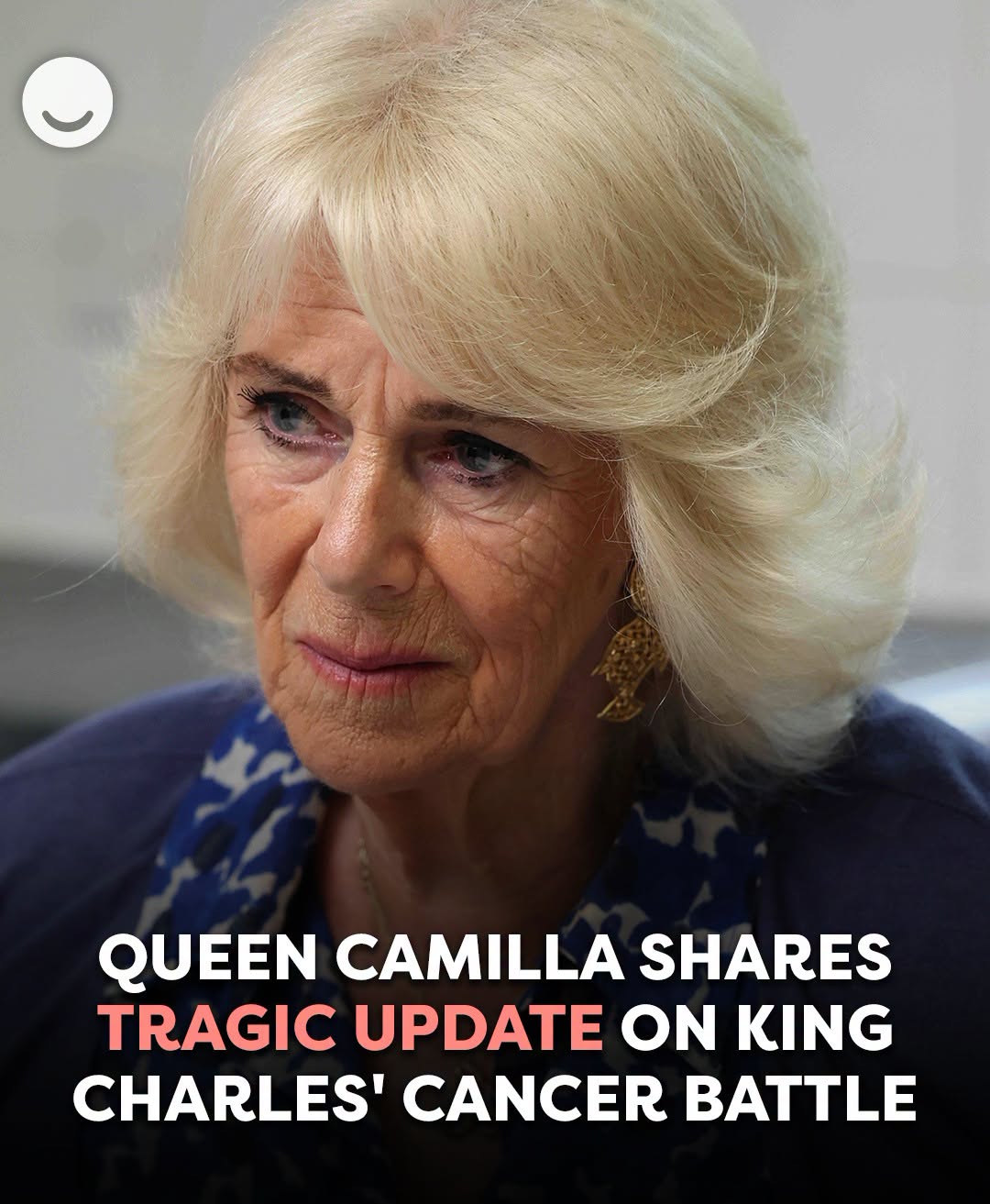
    Queen Camilla Shares Devastating Update On King Charles’ Cancer Battle

    When King Charles III announced his cancer diagnosis to the world in February 2024, the news prompted an extraordinary public response — an outpouring of support, a wave of candour about the realities of living with cancer, and a measurable increase in men across the country seeking help for their own diagnoses.

    What the public did not know at the time was what had been happening behind the scenes in the days before that announcement.

    Now, more than two years later, Queen Camilla has made a devastating confession.

    The King who refused to stop

    King Charles III was diagnosed with cancer in early 2024, the precise nature of which has never been publicly disclosed.


    The announcement came on February 5 of that year, confirming that he would step back from public duties while undergoing treatment. What was equally striking was what came next: he did not step back for long.

    From the earliest stages of his treatment, Charles demonstrated what those around him describe as a characteristically determined approach to his situation.


    He attended public engagements, met with world leaders, carried out investitures, and continued performing the constitutional duties of his role throughout his treatment.

    His four-day state visit to the US in April, during which he addressed Congress and attended a White House state dinner, offered a striking demonstration of his determination not to let illness define his schedule.

    Those closest to him say this is entirely consistent with his character. Camilla has spoken about his approach in terms that reflect both admiration and, one suspects, a certain amount of quietly resigned familiarity with a husband who is constitutionally incapable of slowing down.


    “Nothing stopped him,” she said in a newly released video produced to mark the 30th anniversary of Maggie’s, the cancer support charity of which she is president, per the “He just said, ‘This is my way. I’m going to cope with it.’”

    He is still receiving treatment, although the King in December that it would be reduced in 2026 following early diagnosis and effective medical intervention.

    The specific nature of his treatment, like the type of cancer itself, has not been made public

    What Maggie’s means to the Queen

    Camilla has been president of Maggie’s for many years, and her commitment to the charity predates the personal dimension that the King’s diagnosis has since brought to it.

    Maggie’s was founded in 1996 by Maggie Keswick Jencks, a writer and garden designer who was diagnosed with terminal breast cancer in 1993 and channelled her experience into creating a new kind of cancer support: not clinical, not institutional, but warm and human, built in the grounds of major NHS hospitals and designed to feel like a home rather than a waiting room.


    There are now 27 centres across the UK, supporting hundreds of thousands of people every year.


    The charity’s model is grounded in a simple but radical insight: that cancer does not only affect the person who has it. It moves through families, friendships, and relationships, reshaping everything in its path.

    The centres exist as much for those who love someone with cancer as for those who have it, spaces where fear and grief and exhaustion can be acknowledged rather than suppressed.

    It is a philosophy that, as Camilla’s new interview makes clear, has taken on a profoundly personal resonance for the Queen herself.

    King Charles III and Queen Camilla
    Queen Camilla has made a heartbreaking confession about King Charles’ cancer diagnosis. Credit: Alamy

    The visit she could never forget

    In January 2024, just days before the King’s diagnosis was made public, Camilla attended the opening of a new Maggie’s cancer support centre at the Free Hospital in London.

    It was a routine royal engagement, the kind of visit she has made dozens of times as president of the charity, meeting patients and families and hearing about the difference the spaces make to people navigating one of the most frightening experiences of their lives.


    But this visit was different. She had just learned of her husband’s diagnosis. She knew that treatment was coming. A

    nd she had been told, as is standard protocol in such matters, that the announcement had not yet been made public, which meant that she, like everyone else in the royal household who knew, was not permitted to say a word.

    What followed was an experience she has carried privately for more than two years. In the seven-minute film recorded at Clarence House to mark Maggie’s anniversary, she described it to Dame Laura Lee, the charity’s chief executive, with an honesty that clearly surprised and moved her interviewer.


    She recalled walking into the hospital, meeting people who were going through their own cancer experiences, speaking with their families, and feeling the weight of what she was holding inside.

    “I was almost questioning them,” she said. “I didn’t want to pry too deeply. But normally when I went in, I was just talking to them, but I don’t know, I felt it was much more deep. I looked at everybody who was suffering and all the relations and I think it made me realise even more how important these places were.”

    And then came the moment she came closest to breaking.


    ‘I was just longing to let it out’

    “Nobody could say anything at the time,” she told Dame Laura. “That was quite difficult. I almost said something but, you know, I felt that it wasn’t the time to say.”

    Dame Laura, visibly moved, responded: “It was just a week before it became public and the courage that must have taken for you.”

    Camilla’s reply was three sentences that have since been shared widely and stopped many people in their tracks.


    “I was just longing to let it out, but obviously I couldn’t.”


    It is a feeling that anyone who has ever kept a frightening secret about someone they love will recognise immediately.

    The particular loneliness of knowing something that cannot yet be shared. The effort required to hold composure in a room full of people experiencing exactly what you are experiencing, and say nothing.

    To listen to someone describe their fear about a loved one’s cancer diagnosis while carrying your own, in silence.


    For Camilla, the experience was also quietly transformative.

    She described feeling, during that visit, a new depth of connection to the people she was meeting, a sense that she was no longer simply a patron offering support from the outside, but someone sitting alongside them in a shared experience, even if she could not say so.

    Dame Laura reflected on the significance of what the Queen had shared.

    “The King’s openness about his diagnosis has undoubtedly helped others to be more open themselves,” she said, noting that the public announcement in February 2024 had prompted a twelve percent increase in men contacting Maggie’s with a cancer diagnosis.


    “And to now hear the Queen’s completely understandable and natural response as a wife shines a light on why it is so important that family and friends also get the support they need.”

    It is that last part that carries particular weight. Cancer conversations in public tend to focus, understandably, on the person who is ill. Camilla’s interview shifts the lens, gently but deliberately, toward the people who love them.

    “To hear her speak so powerfully of her own emotions when visiting the Royal Free centre, while knowing about his Majesty’s diagnosis, is a huge honour,” Dame Laura said.

  • Did you know that eating pig’s feet means you don’t have to…👇 ͏​⠀

    Did you know that eating pig’s feet means you don’t have to…👇 ͏​⠀

    Far from being just an “old-fashioned” dish, pig’s feet are loaded with collagen, gelatin, amino acids, and minerals like calcium and magnesium. Slow-cooking them in a broth gently releases these nutrients, making them easier to absorb and kinder to your digestion. This can support firmer skin, stronger nails, healthier joints, and even help cartilage repair, especially for people who are active or aging.


    Despite their reputation, pig’s feet are mostly protein and gelatin, with virtually no sugar or carbohydrates. When prepared properly—boiled, stewed, or made into a clear broth—they don’t have to mean excess fat or cholesterol. Glycine from the gelatin may also soothe the stomach and promote better sleep. Adding them occasionally to your meals can be an affordable, comforting way to nourish your body from the inside out, reconnecting you with a traditional food that modern diets have almost forgotten.

  • Goodbye to an icon: Britney Spe….See more ᅠㅤ͏­͏ ͏⁠⁠­­

    Goodbye to an icon: Britney Spe….See more ᅠㅤ͏­͏ ͏⁠⁠­­

    Behind the curtain of fame, where every misstep becomes a meme and every tear a headline, choosing help over spectacle is an act of rebellion. Britney’s reported decision to enter rehab is not about image management or career strategy; it is an intimate declaration that her life matters more than the narrative built around her. In a culture that profits from her pain, stepping away is its own quiet revolution.

    Recovery will not be linear, and it will not be flawless. There will be relapses of memory, if not of behavior, moments when the old noise threatens to drown out her new resolve. But this time, the work is happening offstage, away from the roar. What remains is a woman reclaiming authorship of her story, not as an icon, but as a human being finally allowed to choose herself.

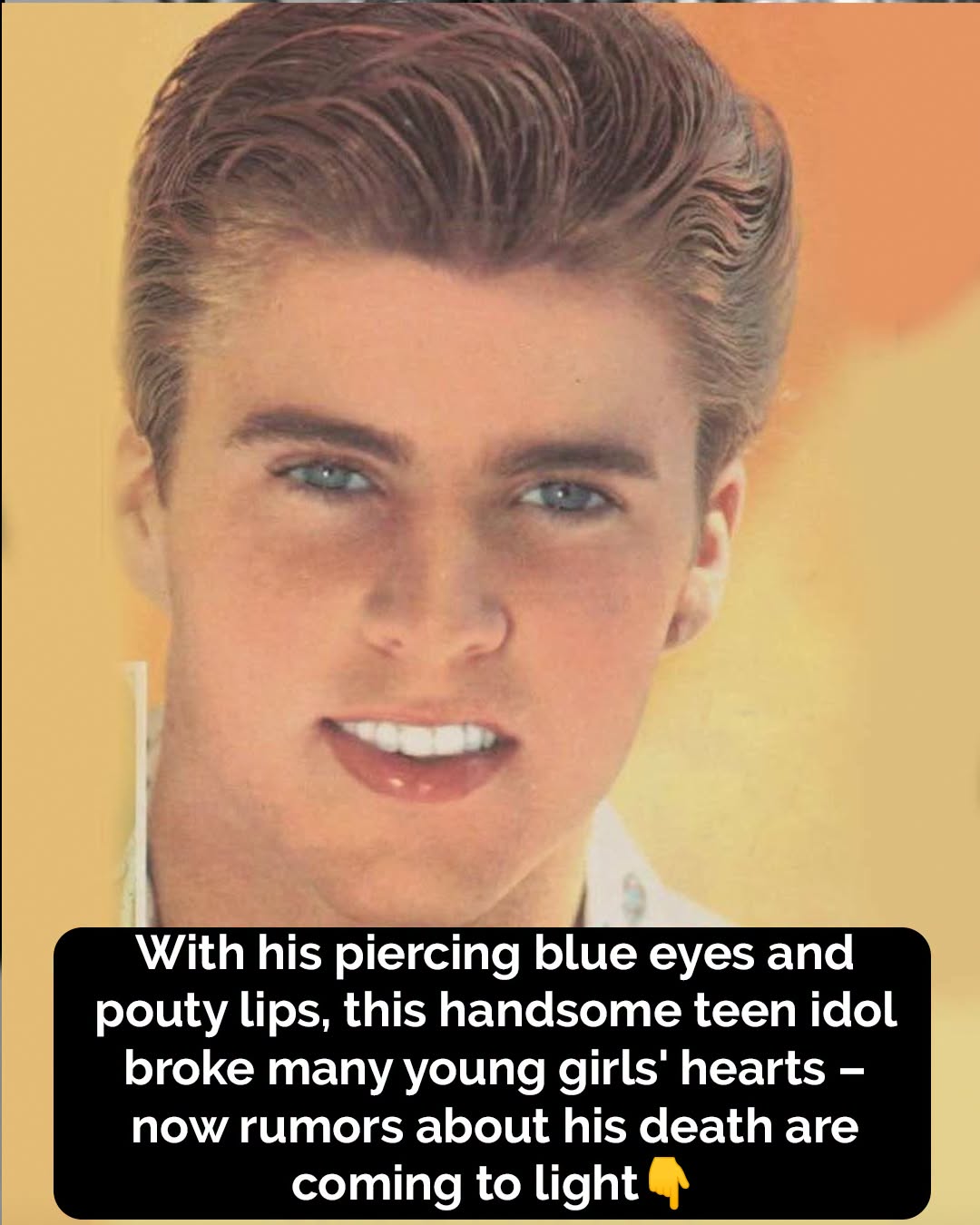
  • With his piercing blue eyes and pouty lips, this handsome teen idol broke many young girls’ hearts. When the iconic singer died in a fatal plane crash, it gave way to untold speculation and conspiracy theories. His children were strictly secret about the true cause of the crash, but the rumors said otherwise – check comments 😢💔

    With his piercing blue eyes and pouty lips, this handsome teen idol broke many young girls’ hearts. When the iconic singer died in a fatal plane crash, it gave way to untold speculation and conspiracy theories. His children were strictly secret about the true cause of the crash, but the rumors said otherwise – check comments 😢💔

    Ricky Nelson was adored by his fans for years as a teen pop idol and was one of the most televised musicians of his era.

    While many know of the mysterious circumstances of his death, not many know how a last-minute choice saved the lives of his two young sons. 

    Ricky Nelson was born Eric Hilliard Nelson in Teaneck, New Jersey, on May 8, 1940. His parents, Ozzie Nelson and Harriet Hilliard Nelson were known for their popular sitcom:

    Ricky was a small, shy child who struggled with severe asthma, often needing a vaporizer with evergreen tincture to help him sleep at night. John Guedel, Red Skelton’s producer, described him as “an odd little kid” — likable, introspective, mysterious, and hard to read. When Skelton was drafted in 1944, Guedel created the radio sitcom The Adventures of Ozzie and Harriet for Ricky’s parents, which premiered on Sunday, October 8, 1944, to positive reviews.

    The Nelson’s sitcom ran for sixteen years, a record in sitcom history. Ricky and his older brother, David, joined the cast of the show when they were about the ages of 8 and 10 as well.

    Throughout this time, Ricky attended Gardner Street Public School, eventually reaching Hollywood High School. He tended to have an aversion to education, which caused friction with his father, who wanted Ricky to attend college.

    By the time he began approaching the proper age for college attendance, he was already making more money than most established adults. His earnings were already roughly $100,000 a year and therefore exempted him from needing a college education.

    At the age of 17, Ricky appeared in the episode “Ricky, the Drummer” of his family’s show. A song he played on that episode was recorded and released as his first single–”I’m Walking.” It quickly became number 4 on Billboard’s Best Sellers list.

    His popularity skyrocketed and allowed him to often debut music on his parents’ show before releasing songs as singles to the public. Some notable hits included “Garden Party,” “It’s Late,” “Fools Rush In,” “For You,” “Poor Little Fool,” and “Travelin’ Man.”

    Around 1961, Rickey began dating Kristin Harmon. Kristin was from a similar background, as she also was raised in Hollywood. Additionally, her family and the Nelsons were close friends.

    The two married in April 1963. They had four children: Sam Hilliard Nelson, twins Matthew Gray Nelson and Gunnar Eric Nelson, and their daughter, Actress

    Ricky’s fame continued to increase throughout the ’60s as he consistently came out with Top 40’s hits. His popular music was in the growing rock n’ roll genre and led to various tours for him over the years.

    Unfortunately, it was on one of these tours that he met his untimely and still-mysterious death.

    Ricky was known to hate flying despite having to take planes for tours and promotions so often. He reportedly even attended psychotherapy sessions in an attempt to feel better when on planes so that he could continue his career and continue to meet his fans.

    Nelson and his sons, Matthew and Gunnar, were supposed to fly to Dallas together for a New Years’ show that Ricky was performing. However, Gunnar

    “We were supposed to be on the plane on that trip. Our dad called us right before we were supposed to come down to Alabama and meet him and fly with him to the New Year’s show in Dallas.”

    A few days before they were meant to depart together, some kind of bad feeling or premonition prompted Ricky to call his sons and explain they would not fly together to Dallas.

    The plan Ricky was scheduled to take did have some reported engine trouble a few days before the departure as well.

    Gunnar Nelson, Rick Nelson, Tracy Nelson, Kristin Nelson and Matthew Nelson pose for a portrait in 1968 in Los Angeles, California. (Photo by Michael Ochs Archives/Getty Images)

    Ricky boarded the DC-3 plane in Alabama without his two sons, and it was as the plane neared its destination that the cabin filled with smoke. The fire sadly took the life of Ricky and the other passengers on board, but the pilot could safely land the plane in Texas.

    The origins of the fire on the plane remain a mystery thirty years later. Rumors flew about as far as the cause is concerned, including salacious ones about Ricky using cocaine with his then-girlfriend Helen Blaine.

    Ricky’s brother David vehemently denies this possibility, explaining that his brother never used cocaine. Greg McDonald, Ricky’s manager, did later say that Ricky and Helen were asleep in the cabin when the fire started as well.

    Tracy Nelson,  revealed later to Larry King that she believes it was a mechanical issue that led to the tragedy.

    Tracy explained that the plane–also nicknamed the “Flying Bus” for its slow speed–had been known to have problems with its gasoline heater, which easily could have led to an accidental fire.

    While there are still no answers to the cause of the fire thirty years later, it is clear that Ricky Nelson’s premonitions helped to prevent an even larger family tragedy.

    Matthew and Gunnar, the twin sons of Ricky went on to have their own successful music careers together in remembrance of their father. Matthew

    “It’s an ongoing labor of love, an open letter to our dad, who was our best friend.”

  • 8 Acres 3 beds, 2 baths — $85,000… See more

    8 Acres 3 beds, 2 baths — $85,000… See more

    Tucked into the countryside near Eupora, Mississippi, this 8-acre property offers a combination of land, privacy, an existing home, and useful improvements that could appeal to buyers with different plans. Priced at $85,000, the property may be worth a closer look for anyone interested in a renovation project, a rural homesite, or additional space for outdoor activities. Rather than presenting a finished property, it offers a chance for a new owner to decide how the land and existing structures should be used.


    The property includes a home built in 1940 with three bedrooms and one and a half bathrooms. The house requires renovation, but its existing layout and older character could provide a starting point for someone interested in restoring and updating a country residence. Depending on local requirements and the condition of the structure, a buyer could consider renovating the existing home or exploring other possibilities for the homesite.


    One practical feature is the presence of water and electrical service at the property. Existing utilities can be useful when planning improvements, although buyers should independently verify the condition, availability, and capacity of all utility connections before making decisions. A professional inspection can also help determine which parts of the existing home and infrastructure may need attention.


    The acreage is another major feature. With approximately eight acres surrounding the home, there is considerably more outdoor space than is typically available with a standard residential lot. Portions of the property include wooded areas and mature trees, creating a private country atmosphere. The available space could potentially accommodate gardens, walking areas, recreational use, or other permitted activities, subject to local regulations and the property’s specific characteristics.


    A small barn with a loft adds another useful structure to the property. Its future purpose could depend on its condition and the owner’s needs. It may provide storage for tools and equipment, workspace for hobbies, or space associated with gardening and other rural activities. Buyers should inspect the structure carefully and determine whether any repairs or improvements are necessary.


    For someone interested in renovating an older home, the property provides an opportunity to create a residence that combines traditional character with modern improvements. A renovation plan could include updates to the kitchen and bathrooms, flooring, lighting, insulation, exterior features, and other systems. The extent of the work would depend on the home’s condition and the buyer’s goals and budget.


    The acreage could also appeal to someone who simply wants more room and privacy. Country properties can provide opportunities for enjoying outdoor space without the close surroundings of a typical suburban neighborhood. Morning walks, gardening, relaxing beneath mature trees, and spending time outdoors are some of the simple advantages that can come with owning a larger rural property.

    Investors may also find the property interesting as a potential renovation project, but any investment decision should be based on careful research. Renovation costs, local property values, taxes, insurance, permitting requirements, potential rental demand, and the condition of the existing structures should all be considered before purchasing. A property’s potential can vary significantly depending on these factors.


    The location near Eupora provides a rural setting while remaining connected to a small-town community. Buyers considering the property can evaluate nearby services, schools, shopping, employment opportunities, and road access to determine whether the location fits their needs.

    Overall, this 8-acre Mississippi property offers something that many buyers value: space and flexibility. The existing home, utility connections, barn, wooded areas, and acreage provide several possible directions for its future. For the right buyer, it could become a comfortable country residence, a thoughtful renovation project, or a private homesite shaped around a long-term vision.


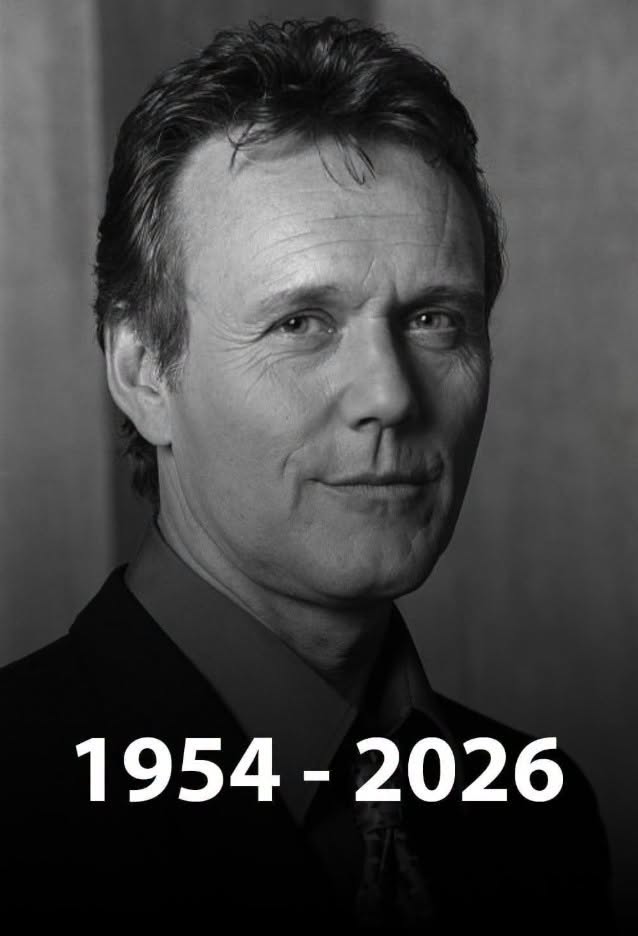
  • Beloved TV Star Tragically Passes Away at 72… See more.

    Beloved TV Star Tragically Passes Away at 72… See more.

    Anthony Head’s reported passing at the age of 72 has prompted an outpouring of reflection from viewers who grew up watching his work across television, film, and theater. For many fans, his name remains connected with characters that brought intelligence, humor, warmth, and complexity to the screen. From his memorable role as Rupert Giles in the popular television series Buffy to his later appearance as Rupert Mannion in Ted Lasso, Head built a career that reached several generations of audiences.


    What made Head particularly memorable was his ability to make even quiet moments feel meaningful. As Giles, he portrayed a thoughtful librarian and mentor whose calm presence often balanced the more chaotic events surrounding the characters. The role allowed him to combine dry humor with emotional depth, creating a character who felt both approachable and dependable. His performance became one of the defining elements of the series, and many viewers continue to revisit the show because of the relationships and personalities that made it special.


    Years later, Head introduced himself to another generation of viewers through Ted Lasso. His portrayal of Rupert Mannion was dramatically different from Giles, allowing audiences to see another side of his range as an actor. Rupert was confident, polished, and often difficult to read, and Head approached the character with a mixture of charm and subtlety. The contrast between his two well-known television roles demonstrated just how versatile he could be


    Beyond those performances, Head spent decades working across different forms of entertainment. His career included television dramas, comedies, stage productions, films, and voice work. Rather than being defined by one particular genre, he continued taking on different kinds of roles throughout his professional life. That variety helped establish him as an actor capable of adapting to changing audiences and new creative opportunities.

    Colleagues and longtime viewers have often spoken warmly about Head’s professional presence and the generosity he brought to collaborative environments. Acting is a profession built around teamwork, and performers frequently influence productions in ways that are not always visible to audiences. A supportive conversation, a thoughtful suggestion, or a willingness to encourage another performer can become an important part of a creative experience. These quieter contributions can remain meaningful long after a production has finished.


    News of his reported passing has naturally encouraged many people to return to some of his best-known performances. For longtime fans, revisiting Buffy can bring back memories of watching Giles guide the younger characters through difficult situations. For newer viewers, Ted Lasso provides a different opportunity to appreciate Head’s range and screen presence. His work remains accessible through these productions, allowing audiences to discover or rediscover the performances that became important parts of his career.


    There is also something enduring about an actor whose work becomes part of people’s everyday memories. Television characters can become familiar companions, appearing in homes year after year and remaining recognizable long after an episode ends. Head’s most memorable roles achieved that kind of lasting connection through strong writing, distinctive performances, and characters that audiences could easily remember.

    While the circumstances surrounding his reported passing may bring sadness to fans and colleagues, his professional legacy offers another way to remember him. His career demonstrates the value of versatility, consistency, and the ability to make very different characters feel authentic. Whether audiences remember him as the thoughtful Giles, the complicated Rupert Mannion, or one of his many other roles, his performances continue to provide opportunities for people to enjoy his work.


    For those who spent years watching Anthony Head on screen or stage, his absence may feel especially significant. Yet the work of an actor has a unique quality: performances can continue reaching people long after the cameras stop rolling. Scenes can be revisited, stories can be introduced to new audiences, and familiar characters can still bring a smile or a moment of reflection.


    Anthony Head’s career was filled with memorable performances across several decades. Whatever role first introduced someone to his work, his ability to bring personality and depth to a character helped make those appearances stand out. His legacy ultimately lives through the stories he helped create and the audiences who continue to find something meaningful in them.

  • Justin Bieber reveals that he tested positive for…See more ​ᅠㅤ

    Justin Bieber reveals that he tested positive for…See more ​ᅠㅤ

    Justin Bieber’s message for Chris King cut through the usual noise of social media, revealing a side of grief that fame can’t shield. He didn’t just mourn a collaborator; he mourned a friend who shared late-night conversations, creative sparks, and unspoken support. His tribute asked millions to pause, pray for King’s family, and remember the person behind the stage name.\


    For many in the music world, King’s death has become a painful reminder of how fragile life is behind the spotlight. Artists and fans alike have flooded timelines with old photos, backstage memories, and stories of his generosity and humor. In that shared grief, a community is quietly holding each other up, keeping his name alive through the music he left and the love he inspired in the people who knew him best.

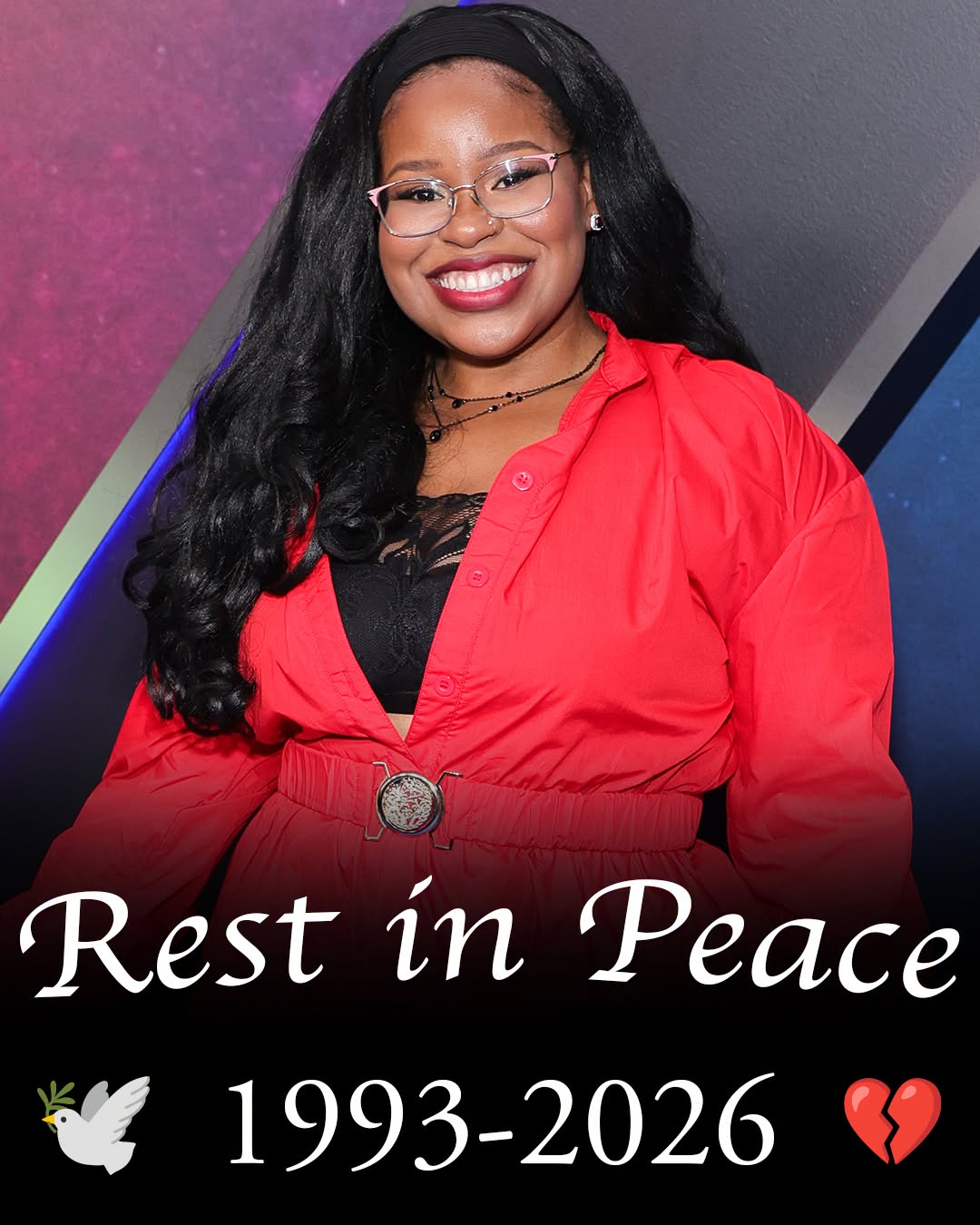
  • With heavy hearts, we report the sad news about this young and multi-talented actress who gave us so much… Check the comments 👇💔

    With heavy hearts, we report the sad news about this young and multi-talented actress who gave us so much… Check the comments 👇💔

    Carla Jeffery, the actress best known to Disney Channel fans for playing the cheerful cheerleader Bree in the Zombies franchise, has died.

    She was 33.

    Jeffery died on September 1, according to her management company, Alexanders Talent. No cause of death has been announced.

    Her longtime agency shared the heartbreaking news on social media, remembering an actress they had known and supported for more than two decades.

    “Our hearts are broken as we mourn the loss of our beloved Carla Jeffery. For more than 20 years, Carla was part of the Alexanders Talent Management family, and watching her grow from a talented young girl into the beautiful, vibrant woman and actress she became was an incredible privilege,” said the agency. “We will remember her infectious smile, her laughter, her talent, and the beautiful light she carried everywhere she went.

    Carla Jeffery attends the Disney+ “High School Musical: The Musical: The Series” season 3 premiere at Walt Disney Studios on July 27, 2022 in Burbank, California. (Photo by Alberto Rodriguez/GA/The Hollywood Reporter via Getty Images)

    “Our deepest love and condolences are with Carla’s family and loved ones. We ask that their privacy be respected during this incredibly difficult time. Rest beautifully, Carla. You will be deeply missed and forever loved,” the statement continued.

    Fans knew her as Bree

    Jeffery became a familiar face to Disney viewers after joining the cast of Zombies, the 2018 musical movie that became a hit with young audiences.

    She played Bree, the bubbly cheerleader and close friend of Addison, and returned for both Zombies 2 and Zombies 3. She most recently reprised the character by lending her voice to Zombies: The Re-Animated Series.

    But her acting career had begun long before she stepped onto the set of Zombies.

    In a 2007 interview, Jeffery revealed that she had dreamed of becoming a star since performing in talent shows in grade school. She started acting professionally when she was just 12 years old, landing a role in the 2006 comedy Phat Girlz, starring Mo’Nique.

    Over the years, she continued building her résumé with appearances in television shows including Crazy Ex-Girlfriend, Uncle Buck and American Vandal. She also appeared in 10 episodes of Curb Your Enthusiasm as Keysha Black and played Janila on the police drama Southland.

    Carla Jeffery arrives at the world premiere of Disney’s “Zombies 4: Dawn Of The Vampires”at El Capitan Theatre on July 08, 2025 in Los Angeles, California. (Photo by Maya Dehlin Spach/Getty Images)

    Born in Houston, Jeffery was also the twin sister of actor Carlon Jeffery, who starred as Cameron Parks on Disney Channel’s A.N.T. Farm.

    From a young girl taking her first steps into acting to a familiar face for a generation of Disney fans, Carla Jeffery spent more than two decades pursuing the career she loved.

    Now, fans, friends and colleagues are remembering her for the joy she brought to those around her — and for the smile her management company said could light up every room.

    Rest peacefully, Carla.

  • A heartbreaking milestone in Times Square victim Erin Piacenti’s life makes her tragic death even harder to bear. Just one week before her death, something deeply meaningful happened. What happened to Erin — and why has this resurfaced detail left so many people in tears? 💔 See less

    32-year-old Erin Piacenti, a vice president at Bank of America, was brutally stabbed to death in the middle of Times Square. Now, her family has released a heartbreaking statement.

    On Aug. 31, in the heart of TIME SQUARE, chaos erupted when Pamela Cisneros, a 49-year-old woman from Queens, allegedly pulled two large kitchen knives from a Target shopping bag and attacked two random people.

    The Associated Press  reports that the attack happened shortly before 4:30 p.m. near West 41st Street and Seventh Avenue, beside an NYPD substation and just outside One Times Square.

    According to Police Commissioner Jessica Tisch, Cisneros first approached 68-year-old Tak Kam and stabbed him in the right side of the abdomen before continuing toward West 42nd Street. He was rushed to the hospital and survived despite suffering injuries to his abdomen.

    Time Square attack

    Seconds later, 32-year-old Erin Piacenti, a Bank of America vice president, was also stabbed. She tragically died from her injuries.

    According it was her first day back at work after maternity leave. She was “preparing to build a life” together with her husband and their 5-month-old daughter, and now her family is left heartbroken. They have asked for privacy during this difficult time.

    A GoFundMe page was launched following the horrific attack, and the page states: “Becoming a mother was Erin’s lifelong ambition, and Madison gave her the greatest possible joy.

    “Erin’s life was defined not by the circumstances of her death, but instead by the way she lived.

    “Erin was deeply devoted to her family and friends, exceptionally bright and accomplished, and was someone who brought warmth and energy to the people around her.”

    “Were preparing to build a life together with their new daughter”

    The couple married in 2024.

    “Erin and Frank celebrated their second wedding anniversary this summer, had just returned from a family road trip upon her passing, and were preparing to build a life together with their new daughter,” the page reads.

    “That life changed incomprehensibly in an instant.”

    The family then added: “Erin’s career accomplishments .. speak to only a small portion of who she was.

    “To the people who knew and loved her, Erin was a thoughtful daughter and sister, a loyal friend, a devoted partner and companion in every aspect of Frank’s life, and, most recently, an incredibly loving mother to Madison.”

    Pamela Cisneros, 49, was shot and killed by police after the attack. After Cisneros fell to the ground, police handcuffed her, rolled her onto her back and provided first aid. She was later pronounced dead.

    “This was an extraordinarily dangerous situation unfolding in the heart of Times Square, the crossroads of the world,” Police Commissioner Jessica Tisch said of the “random and unprovoked” attac

    Pamela Cisneros was fatally shot by police

    Cisneros was already known to the NYPD through what Tisch described as a “documented mental health history with the NYPD,” although she had no arrest history with the department.

    After the attack, New York City Mayor Zohran Mamdani said: “We know that those families’ lives have been shattered by what took place today, and we will continue to hold them close as the hours and days and weeks continue from this moment,” according to AP.

    “I want to thank the NYPD officers who stepped in and prevented a horrific attack from becoming even worse,” the mayor said.

    “This is what the men and women of this department do every single day to keep our city safe.”

    The tragedy has left Erin Piacenti’s family, friends and loved ones mourning a life that was cut short just as she began a new chapter as a mother. Our thoughts and prayers are with Erin’s family, her loved ones and everyone affected by the devastating attack.