📱 The Flip Phone Era
- Design simplicity: Compact, durable, and intuitive. The hinge mechanism gave it a unique personality compared to today’s slab-like smartphones.
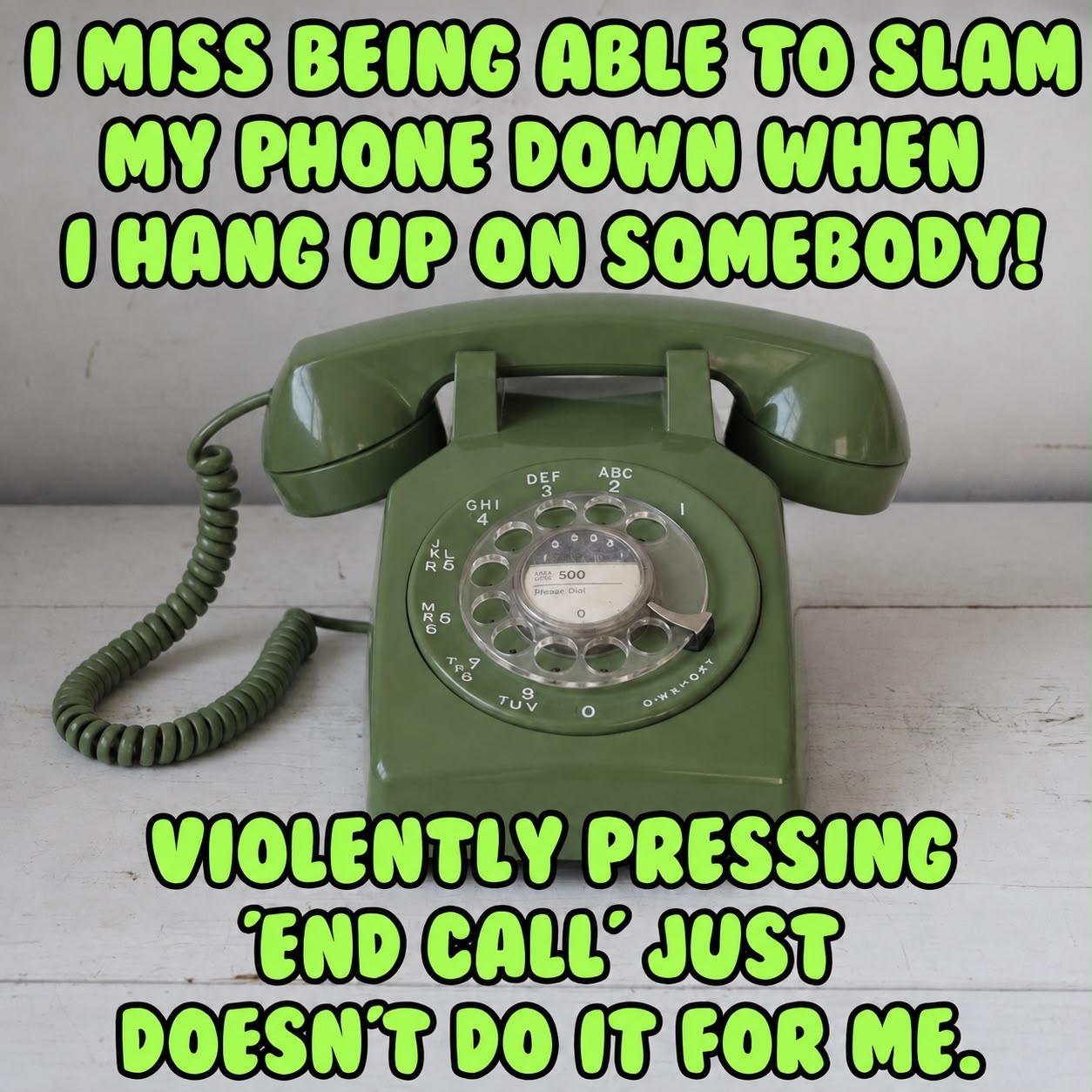
- Emotional closure: Hanging up angrily with a flip phone felt cathartic — a physical gesture that smartphones can’t replicate.
- Cultural icon: From The Matrix to Sex and the City, flip phones became symbols of coolness and independence.
🔊 The Psychology of the Snap
- Tactile feedback: Humans crave physical cues. The snap gave a sense of control and finality.
- Anger management: Slamming a flip phone shut was a socially acceptable way to vent frustration.
- Modern loss: Touchscreens lack that mechanical drama, leaving emotional expression muted.
🎬 Flip Phones in Media
- Hollywood symbolism: Characters used flip phones to emphasize power moves — snapping shut meant dominance.
- Music videos: Pop stars flaunted them as fashion accessories.
- Advertising nostalgia: Brands leaned into the snap as a selling point.
🔄 The Comeback
- Retro revival: Companies like Samsung and Motorola are reintroducing foldable phones, blending nostalgia with modern tech.
- Hybrid satisfaction: New foldables try to recreate the emotional joy of snapping shut.
- Minimalist appeal: Some consumers prefer simpler devices to escape constant notifications.
🧠 Cultural Impact
- Generational memory: Millennials and Gen X recall flip phones as symbols of independence.
- Tech identity: Owning one meant being stylish, practical, and a little rebellious.
- Digital detox: Today, some return to flip phones for mental health and focus.
✨ Conclusion
The flip phone wasn’t just a gadget — it was an emotional tool. That satisfying snap carried meaning: closure, defiance, relief. While smartphones dominate, the longing for that tactile punctuation remains strong. Foldables may revive the feeling, but the original flip phone will always hold a special place in cultural memory